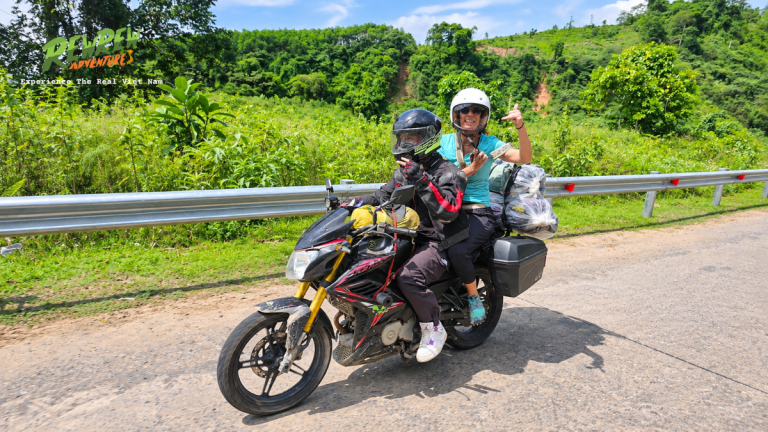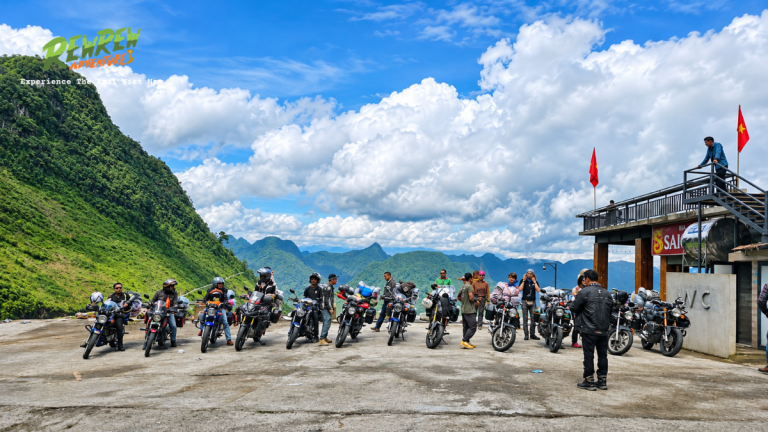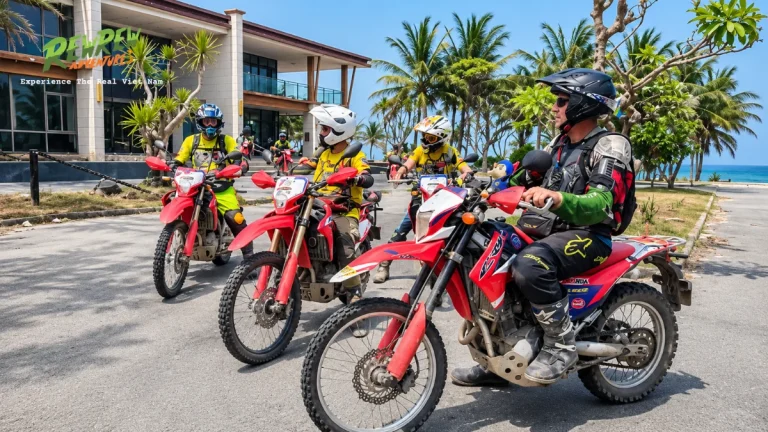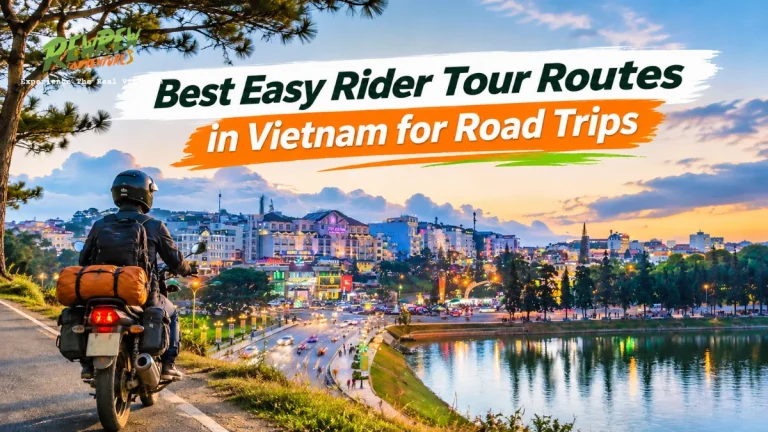
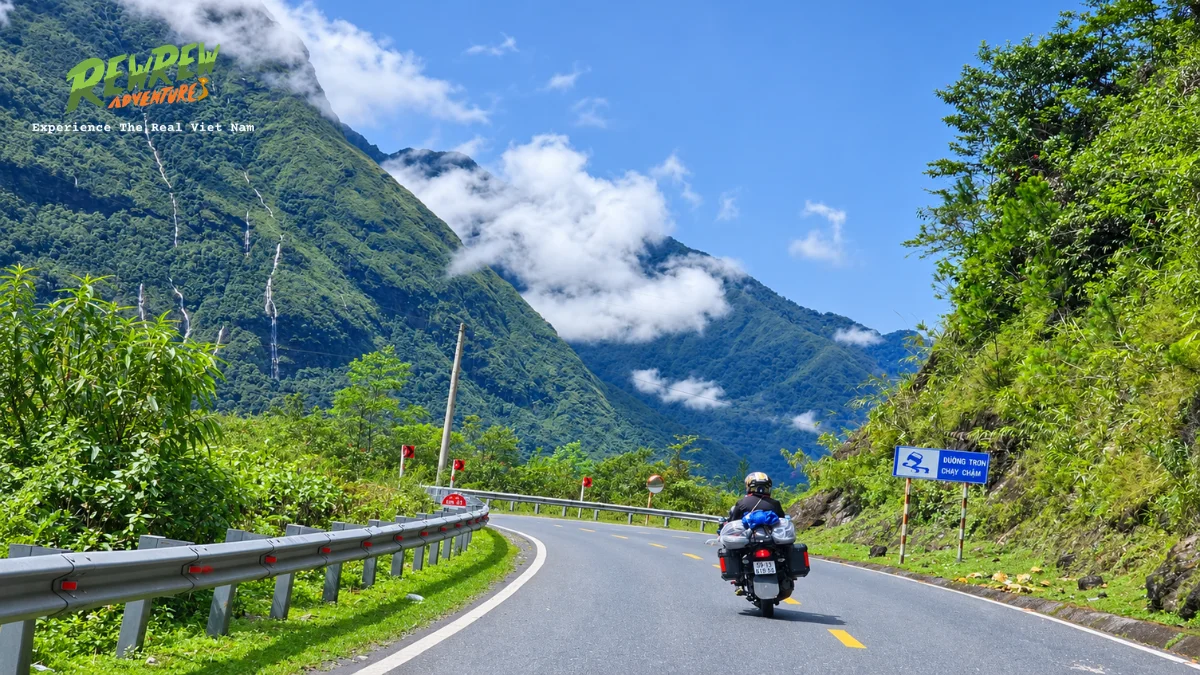
Choosing between an Easy Rider Tour (a guided motorbike tour with a local driver) and a Bus Tour (a sightseeing tour by bus or coach) in Da Lat depends entirely on the type of experience you are looking for. Easy Rider Tours focus on adventure, cultural interaction, and flexibility, while Bus Tours prioritize affordability, safety, and a more relaxed sightseeing experience.
This guide compares physical comfort, route access, schedule flexibility, cultural depth, and price points to help you select the ideal transportation model for your travel style.
Quick Check: Easy Rider vs Bus Tour Comparison
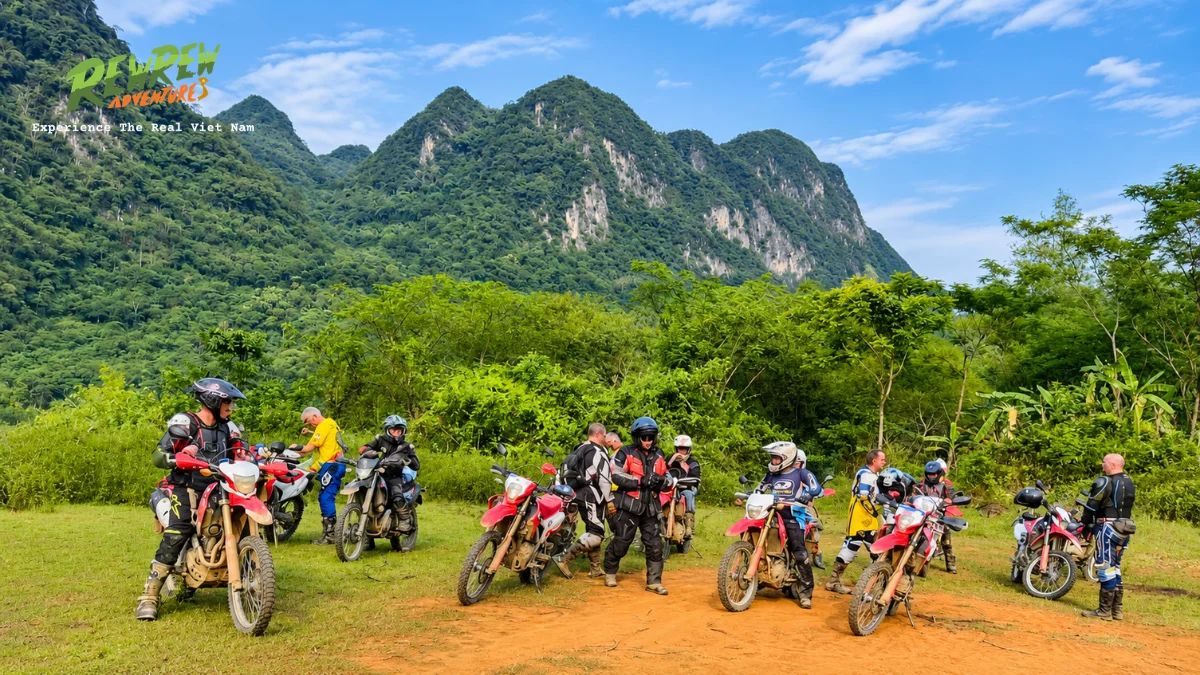
- Best for Adventure & Culture: Easy Rider tours offer 1-on-1 local storytelling, spontaneous scenic stops, and access to narrow unpaved countryside trails.
- Best for Budget & Large Groups: Bus tours provide shared air-conditioned comfort, luggage storage, and predictable costs for families with young children.
- Route Flexibility: Easy Riders customize stops on demand; bus tours follow rigid fixed group schedules at commercial tourist hubs.
- Price Point: Group bus tours run $15 to $25 USD per person; private Easy Rider motorbike tours run $35 to $45 USD per day all-inclusive.
Direct comparison of travel experience and itinerary dynamics
| Comparison Dimension | Easy Rider Motorcycle Tour | Group Coach Bus Tour | Experiential Advantage |
|---|---|---|---|
| Group Dynamics | Private 1-on-1 pillion or small private party (2-6 bikes) | Large shared group (25 to 45 passengers per coach) | Easy Rider eliminates waiting for large groups at every stop |
| Route Flexibility | High; dynamically adjusted for weather, light, and personal interests | Zero; strictly bound by rigid company schedules and permits | Easy Rider allows spontaneous detours and extended scenic stops |
| Road & Trail Access | Unrestricted; traverses narrow village alleys and single-track dirt lanes | Restricted; limited exclusively to wide, reinforced paved highways | Motorcycles visit authentic rural workshops inaccessible to buses |
| Motion Sickness Risk | Extremely low; constant fresh air circulation and natural leaning dynamics | Moderate to high; enclosed cabins and diesel exhaust induce nausea | Motorcycles drastically reduce inner-ear equilibrium disorientation |
| Cultural Immersion | Direct conversations with local farmers and tribal elders via guide | Superficial visits to pre-arranged souvenir emporiums and gift shops | Easy Rider fosters genuine one-on-one cross-cultural connections |
| Photography Freedom | Instant pullovers at panoramic mountain vistas whenever desired | Shooting through tinted coach glass or waiting for scheduled rest halts | Easy Rider delivers superior golden-hour landscape photography |
| Attraction Location | Easy Rider Motorbike Access | Group Bus Access | Authenticity Difference |
|---|---|---|---|
| Elephant Waterfall (Thac Voi) | Parks at authentic trail base with direct canyon descents | Parks in massive commercial bus lot crowded with tour groups | Motorbike riders explore tranquil downstream footpaths |
| Rural K’Ho Ethnic Hamlets | Direct access through unpaved village lanes into family yards | Inaccessible; bus roads terminate kilometers away from true villages | Motorcycles allow respectful, intimate cultural exchanges |
| Artisanal Weasel Coffee Farms | Visits boutique family hillside farms with educational tastings | Visits commercial roadside tourist shops focused on packaged sales | Riders observe processing from harvest to roasting |
| Pongour Multi-Tier Waterfall | Direct arrival at scenic valley approach via country backroads | Standard highway access with long walks from paved parking bays | Riders avoid heavy tourist coach arrival windows |
| Lang Biang Pine Backroads | Rides secluded dirt tracks through natural alpine pine forests | Confined to the paved entrance gate; requires jeep transfer ticket | Riders experience pristine wilderness away from asphalt lines |
Pricing and financial value across tour styles
| Tour Service | Estimated Price | Duration | Main Inclusions |
|---|---|---|---|
| Classic Da Lat Countryside Easy Rider | $35 – $45 per person | 1 Day (8 hours) | Dedicated motorcycle, fuel, licensed guide, certified helmet, entrance tickets, lunch |
| Multi-Day Highlands Easy Rider Expedition | $65 – $80 per person / day | 2 to 4 Days | Motorcycle, fuel, guide, private guesthouse/homestay lodging, daily breakfasts, luggage gear |
| Commercial Group Coach Bus Day Tour | $18 – $28 per person | 1 Day (7 hours) | Shared bus transport, basic group guide, bottled water (entrance fees often excluded) |
| Private Minivan Countryside Charter | $70 – $95 per vehicle | 1 Day (8 hours) | Private vehicle and driver (excludes personal tour guide, entry tickets, and meals) |
*Note: The prices listed above are for reference and estimation purposes only. Rates do not include personal expenses such as personal beverages/alcohol, individual travel insurance, souvenirs, or guide tips.*
4 physical comfort and motion sickness considerations on highland roads
1. Preventing and Managing Motion Sickness
Motion sickness is often more severe on mountainous roads than on flat terrain because frequent twists and turns cause conflicting signals between the inner ear (the body’s balance system) and the eyes, confusing the brain.
- Strategic Seating Position: Sit in the front passenger seat (next to the driver) or in the middle of the vehicle, ideally near the wheelbase, to minimize the effects of bumps and swaying. Avoid sitting in the very back row.
- Visual Focus: Always look straight ahead, focusing on the horizon or distant stationary objects. Avoid reading books, looking at your phone, or watching the scenery through side windows while the vehicle is navigating curves.
- Take Motion Sickness Medication at the Right Time: If using motion sickness medication (such as Dimenhydrinate or Cinnarizine) or a Scopolamine patch, take or apply it 30–60 minutes before departure, following the product instructions or a healthcare professional’s advice. Taking medication after symptoms have started may be less effective.
- Natural Remedies: Try sucking on fresh ginger, ginger candy, or smelling fresh orange or lemon peels to help ease nausea.
2. Adjusting to Changes in Altitude and Air Pressure
When the vehicle climbs or descends steep mountain roads, swallow frequently, chew gum, or gently perform the Valsalva maneuver (pinch your nose, close your mouth, and gently exhale) to help equalize middle-ear pressure.
Avoid strenuous physical activity immediately after getting out of the vehicle at high elevations. Take time to rest and breathe slowly and comfortably as your body adjusts to the thinner air.
3. Eating Habits and Physical Preparation Before the Trip
- Maintain a Balanced Stomach: Avoid traveling on either a completely empty or overly full stomach. An empty stomach can increase nausea and discomfort, while overeating, especially greasy or sticky foods, can cause bloating and indigestion.
- Foods and Drinks to Avoid: Limit carbonated beverages, alcohol, and coffee before and during the journey, as they may irritate the stomach or contribute to dehydration.
- Wear Appropriate Clothing: Choose loose-fitting, comfortable, and warm clothing using the layering principle. This allows you to easily add or remove layers as temperatures change throughout the mountainous journey.
4. Driving Techniques
- Maintain a Steady Speed: Drive smoothly and maintain a consistent speed. Avoid sudden braking or acceleration, especially when entering or exiting curves. Frequent jerking and abrupt movements are among the biggest triggers of motion sickness for passengers.
- Air Conditioning and Ventilation: Use the fresh-air intake mode when outdoor air quality is good to improve cabin ventilation. If a passenger feels nauseous, slightly opening a window can also help bring in fresh air.
- Take Regular Short Breaks: Plan to stop approximately every two hours, with each break lasting around 10–15 minutes. Allow passengers to get out, stretch their muscles, breathe fresh air, and recover from the continuous motion of the vehicle.
5 Step-by-step framework to choose the ideal tour for your trip
Step 1: Evaluate your group composition and travel party needs
If you are traveling with toddlers under five years old, elderly grandparents with limited physical balance, or family members requiring wheelchair accessibility, an enclosed vehicle or private car charter provides indispensable climate control and safety restraint belts.
Conversely, for solo travelers, backpackers, adventurous couples, and photography enthusiasts, the intimacy and freedom of an Easy Rider tour is peerless.
Step 2: Determine your tolerance for commercial shopping stops
Consider how much of your precious holiday time you are willing to spend inside commercial tourist gift complexes.
If you dislike being herded into designated jam shops, mass silk showrooms, and souvenir halls for thirty minutes at each junction, book an Easy Rider tour where every single stop is customized strictly to your intellectual and cultural curiosities.
Step 3: Factor in personal motion sickness vulnerability
Reflect honestly on your history of carsickness on winding mountain roads. If you frequently feel nauseated in taxis or buses on curving highways, sitting in a 45-seat bus climbing the hairpin turns of Ta Nung Pass will likely induce significant discomfort.
Choosing a motorcycle pillion ride ensures constant fresh air flow and dynamic balance that neutralizes motion nausea.
Step 4: Check weather forecasts and seasonal temperature bands
Da Lat enjoys a temperate year-round climate, but afternoon showers are common during the monsoon months from May through October. Licensed Easy Rider guides provide professional heavy-duty waterproof rainwear and adjust routing dynamically around rain pockets.
However, if you strongly prefer staying entirely indoors during unpredictable mountain weather, an enclosed vehicle offers constant dry shelter.
Step 5: Communicate Directly and Confirm Your Tour
- Ask Your Tour Consultant Questions: Don’t hesitate to clarify any details in the contract or itinerary that you find unclear before making a booking.
- Take Advantage of Special Offers: Look out for early-bird discounts or group booking promotions to save on tour costs.
Frequently asked questions about Easy Rider and bus tours in Da Lat
Is an Easy Rider tour in Da Lat safe for first-time motorcycle passengers?
Yes, Easy Rider tours are safe for travelers who have never ridden a motorcycle. You sit as a pillion passenger behind an experienced, licensed rider who maintains safe speeds, navigates highway traffic, and handles vehicle mechanics. Passenger footpegs and backrests provide stable, relaxed ergonomic support throughout the trip.
Can I customize the destinations visited on an Easy Rider tour?
Yes, itinerary customization is one of the premier advantages of an Easy Rider tour. You can collaborate directly with your guide before departing to add specific waterfalls, skip commercial attractions, spend more time at rural coffee roasteries, or focus entirely on landscape photography.
How does luggage transport work if I choose an Easy Rider tour?
For single-day tours in Da Lat, you can leave your large backpacks and suitcases securely at your hotel reception or at the tour operator office, carrying only a small daypack on the bike. For multi-day point-to-point tours to Nha Trang or Mui Ne, your main travel bag is wrapped in heavy waterproof vinyl and strapped securely to the rear luggage rack.
What should I wear on a Da Lat countryside motorcycle tour?
Wear comfortable closed-toe footwear such as sneakers or light hiking shoes, sturdy long trousers or jeans to shield against engine heat and road dust, and layered tops. Morning temperatures in Da Lat are crisp, so a fleece or light windbreaker jacket is essential before shedding layers during warmer afternoon hours.