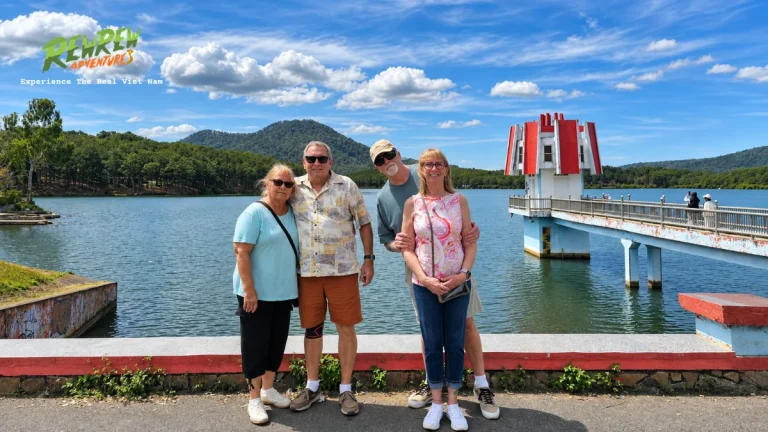

While iconic destinations like Ha Long Bay, Hoi An, and Hanoi Old Quarter rightfully earn global acclaim, Vietnam possesses an extraordinary frontier of tranquil, untouched landscapes far beyond the conventional tourist circuit.
For travelers seeking profound cultural immersion, pristine rainforest wilderness, dramatic high-altitude mountain passes, and authentic rural hospitality, stepping off the beaten path reveals the true soul of the country.
From mist-shrouded cloud valleys in the northern borderlands to secluded volcanic islands and sacred Central Highland waterfalls, this comprehensive guide spotlights the 10 most breathtaking hidden gems in Vietnam, complete with logistics, seasonal highlights, and expert travel advice.
Quick Check: 10 Truly Hidden Gems in Vietnam
- Northern Mountains & Frontiers: Ta Xua (epic cloud hunting ridge), Y Ty (Ha Nhi earthen houses & border terraces), Hoang Su Phi (ancient steep rice valleys), and Bac Son Valley (emerald karst mosaic).
- Central Highlands & Waterways: Mang Den (tranquil pine plateau), Dray Nur & Dray Sap (mighty basalt waterfalls), and A Luoi Valley (remote jungle border pass).
- Lakes & Nature Sanctuaries: Pu Luong (giant bamboo water wheels) and Ba Be Lake (pristine karst freshwater lake).
- Coastal Wilds: Phu Quy Island (remote turquoise volcanic haven 120 km off the mainland).
- Daily Budget: Independent exploration typically requires $25 to $60 USD per day, including rustic homestays, motorcycle rentals, and hearty local family meals.
Why Off-the-Beaten-Path Travel in Vietnam Offers Unmatched Rewards
Modern mass tourism has significantly altered Vietnam’s most famous tourist hubs. While destinations like Sa Pa or Da Nang offer world-class hotels and international conveniences, they often present crowded scenic viewpoints, persistent souvenir sellers, and commercialized cultural demonstrations.
In contrast, venturing into Vietnam’s remote valleys and highland hamlets connects you directly with the genuine rhythm of traditional life. Here, ethnic minority communities welcome guests with sincere curiosity and warmth rather than commercial transactions.
You can sit beside roaring hearth fires in wooden stilt houses, taste mountain herbs foraged from surrounding jungles, and hike along ancestral trails without encountering another tour bus for days.
Moreover, exploring these hidden gems supports decentralized sustainable tourism, directing valuable travel income directly to indigenous homestay families, village guides, and rural agricultural cooperatives.
Overview and Travel Logistics of the 10 Hidden Gems in Vietnam
Planning excursions to remote corners requires understanding travel durations, realistic seasonal weather windows, and daily operational budgets.
| Destination | Geographic Region | Recommended Stay | Daily Budget (USD) | Prime Season | Unmissable Experience |
|---|---|---|---|---|---|
| Mang Den | Central Highlands | 2 – 3 Days | $30 – $55 USD | Oct – Mar | Pine forest serenity, Pa Sy waterfall, organic highland coffee |
| Ta Xua | Northwest Mountains | 2 Days | $25 – $45 USD | Nov – Apr | Hiking the Dinosaur Backbone ridge above an ocean of clouds |
| Y Ty | Northern Borderland | 2 – 3 Days | $25 – $45 USD | Sep – Oct & Dec – Mar | Earthen mushroom houses of the Ha Nhi and high border terraces |
| Pu Luong Nature Reserve | North Central | 2 – 3 Days | $35 – $60 USD | May – Jun & Sep – Oct | Bamboo water wheels, lush limestone valleys, Thai homestays |
| Phu Quy Island | South Central Coast | 3 Days | $35 – $60 USD | Feb – Jun | Pristine volcanic cliffs, turquoise snorkeling coves, fresh seafood |
| Dray Nur and Dray Sap | Central Highlands | 1 – 2 Days | $30 – $50 USD | Nov – Apr | Roaring basalt waterfall canyon and prehistoric volcanic caves |
| A Luoi Valley | Central Highlands Border | 2 Days | $25 – $45 USD | Mar – Aug | Pristine mountain rivers, dense jungle canopy, Pa Co heritage |
| Ba Be Lake | Northeast Mountains | 2 – 3 Days | $30 – $50 USD | Year-round | Karst freshwater lake kayaking, Puong Cave, Tay stilt houses |
| Hoang Su Phi | Northern Frontier | 3 Days | $25 – $45 USD | Sep – Oct | UNESCO-recognized ancient mountain rice terraces on sheer cliffs |
| Bac Son Valley | Northeast | 2 Days | $25 – $45 USD | Jul & Oct | Na Lay peak sunrise view overlooking patchwork paddy fields |
*Note: The prices and rates listed above are for reference only and subject to seasonal updates or provider adjustments.*
Exploring the 10 Pristine Hidden Gems in Depth
Mang Den Pine Oasis in Kon Tum Province
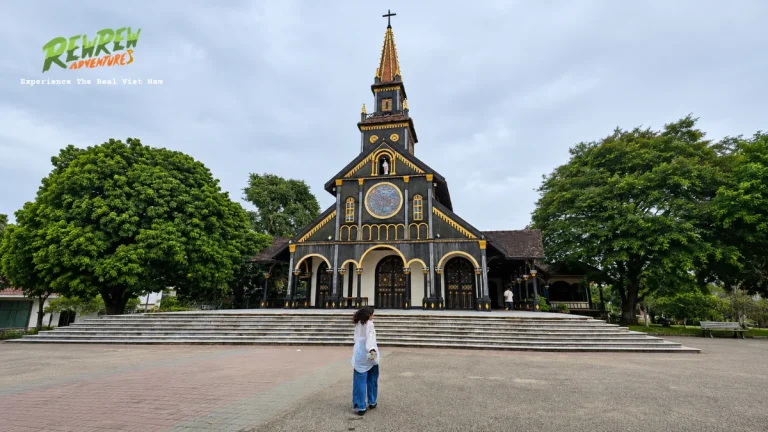
Often described as a forgotten second Da Lat without the commercial traffic, Mang Den is a serene highland township located at 1,200 meters elevation in Kon Tum province.
Shrouded in year-round cool mist and surrounded by ancient pine forests, Mang Den offers a peaceful retreat for nature lovers.
Visitors can walk among untouched pine trails, visit the thundering Pa Sy Waterfall, and explore the rustic guesthouses nestled beside natural lakes like Dak Ke.
The area is also an emerging hub for organic shade-grown arabica coffee and medicinal ginseng farming.
Ta Xua Cloud Hunting Kingdom in Son La
Perched on the border between Son La and Yen Bai provinces, Ta Xua has transformed into an iconic pilgrimage for adventurous landscape photographers.
The mountain range forms a deep natural valley where dense, humid morning fog gathers beneath high mountain ridges, creating a breathtaking ocean of rolling white clouds.
The most famous hike here is the Dinosaur Backbone (Song Lung Khung Long), an exposed, narrow walking ridge flanked by dramatic drop-offs into the swirling cloud sea below.
Ta Xua offers rustic wooden cliffside homestays where travelers can sip hot highland tea while watching the sun rise above the clouds.
Y Ty Borderland and Ha Nhi Earthen Houses
Situated at an altitude of over 2,000 meters along the remote border with China, Y Ty in Lao Cai province feels like a hidden realm lost in time.
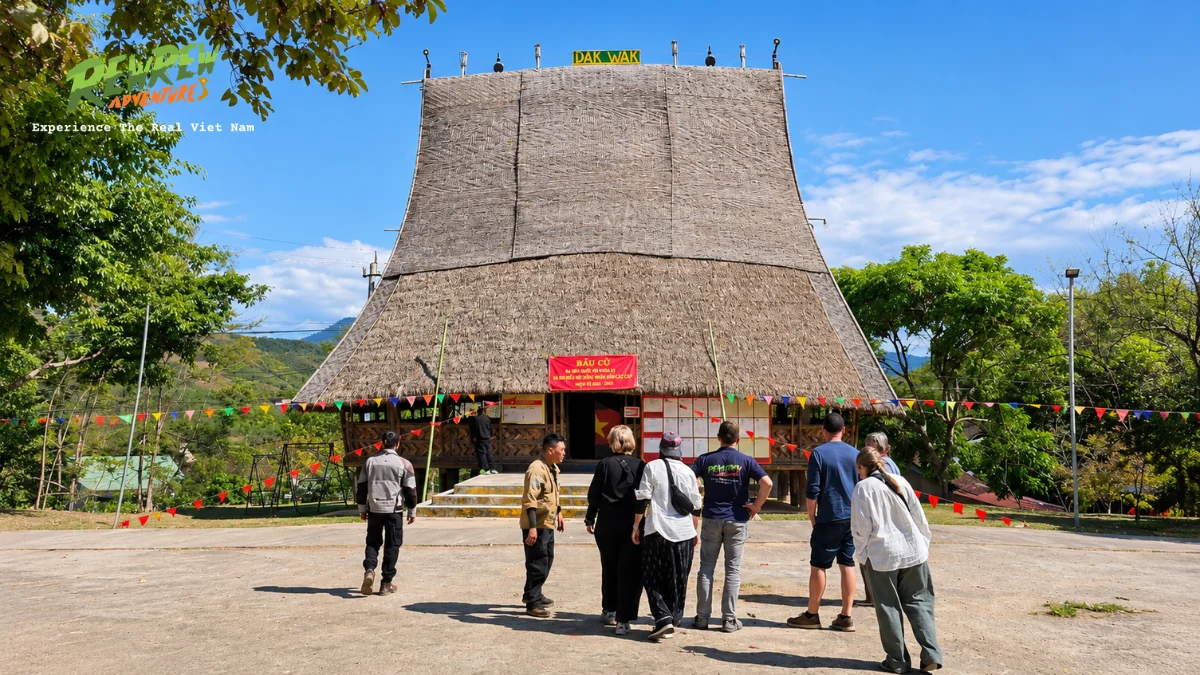
The indigenous Ha Nhi people construct distinctive rammed-earth houses featuring thick, earthen walls and pyramid-shaped thatched roofs that resemble giant mushrooms emerging from the mountain mist.
During the harvest months of September and October, the tiered rice paddies hugging Y Ty’s vertical slopes turn into shimmering cascades of gold.
In the winter months from December to March, the village becomes an ethereal cloud-hunting viewpoint frequented by adventurous motorcyclists.
Pu Luong Nature Reserve in Thanh Hoa
Just a four-hour drive from Hanoi yet worlds away from its frenetic pace, Pu Luong Nature Reserve encompasses limestone mountain peaks, deep forested river canyons, and idyllic valleys cultivated by ethnic White Thai and Muong communities.
One of the valley’s most fascinating cultural sights is the network of colossal bamboo water wheels (Cong Nuoc) crafted entirely by hand to lift river water into elevated irrigation canals.
Staying in an open-air wooden stilt house overlooking green rice terraces, swimming in natural rock pools, and trekking between quiet farming hamlets make Pu Luong a premier eco-travel destination.
Phu Quy Island Volcanic Seclusion
Lying approximately 120 kilometers off the coast of Phan Thiet in the East Sea, Phu Quy is a rugged volcanic outpost that remains delightfully shielded from mass resort development.
The island is characterized by dramatically weathered black basalt cliffs, historic lighthouses, and crystal-clear turquoise lagoons.
Renting a scooter to circumnavigate the small island allows travelers to explore secluded coves like Bai Nho and Cao Cat Mountain, where natural stone sculptures carved by centuries of ocean winds overlook the expanse of the Pacific.
Local fishermen serve succulent king crab, fresh tuna, and sweet ocean snails at modest coastal shacks.
Dray Nur and Dray Sap Basalt Waterfalls
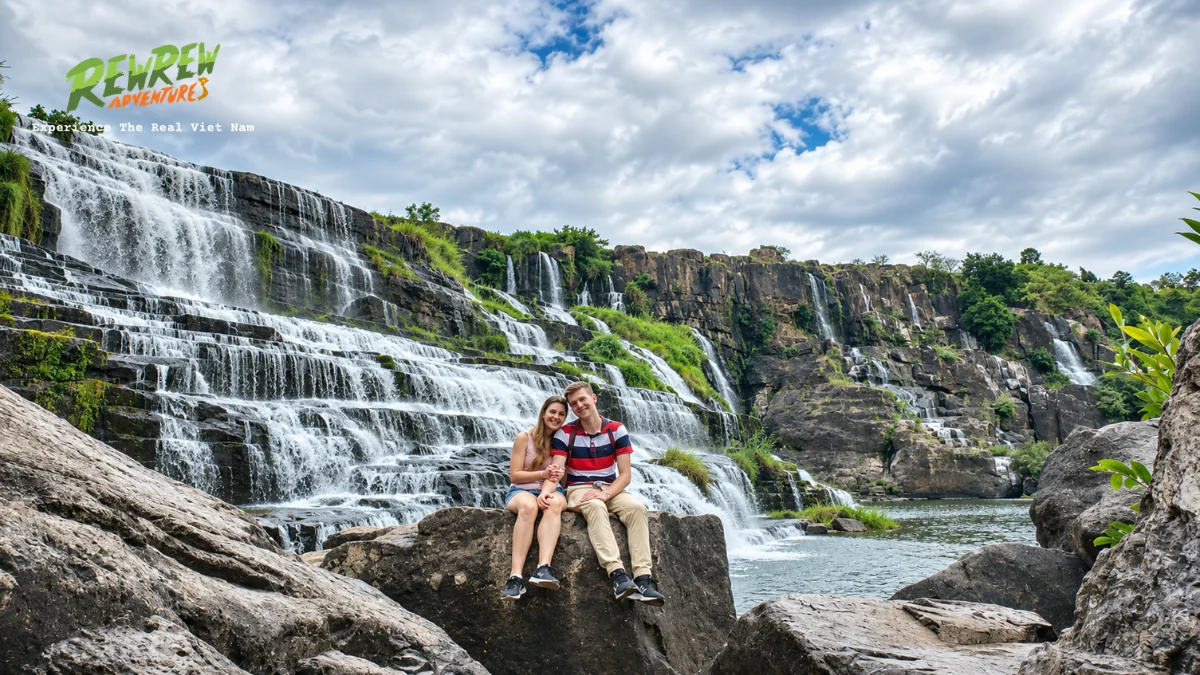
Located along the mighty Serepok River on the boundary between Dak Lak and Dak Nong provinces, the twin waterfalls of Dray Nur and Dray Sap are geological marvels.
The river tumbles over enormous columns of volcanic basalt formed millions of years ago, producing a deafening roar and a perpetual veil of cool mist.
Behind the curtain of falling water at Dray Nur lies an expansive, mysterious cave system accessible on foot with local guides.
Surrounding the falls are primeval dipterocarp rainforest trails home to rare butterflies, wild orchids, and tranquil volcanic rock pools.
A Luoi Valley along the Annamite Range
Situated in western Thua Thien Hue province along the rugged spine of the Truong Son mountains, A Luoi is a remote highland valley steeped in cultural history.
Home to the Pa Co, Ta Oi, and Co Tu ethnic groups, the region retains ancestral weaving techniques, bamboo architecture, and sacred forest conservation practices.
Riders along the western branch of the Ho Chi Minh Highway are rewarded with deserted roads, pristine mountain swimming holes like A Nor Waterfall, and authentic community homestays where guests share meals of bamboo-cooked wild mountain rice and grilled river fish.
Ba Be Karst Freshwater Lake in Bac Kan
Nestled within Ba Be National Park, this serene body of water is Vietnam’s largest natural freshwater lake, encircled by towering limestone karst peaks cloaked in dense evergreen rainforest.
The finest way to explore the lake is by gliding silently in a kayak or traditional motorized dugout canoe. The waterways lead through the limestone cathedral of Puong Cave, where the Nang River carves through a 300-meter-long subterranean mountain vault populated by thousands of bats.
Nightly lodging is centered in Pac Ngoi, an authentic village of the Tay ethnic minority featuring stilt houses constructed above the lake’s quiet shoreline.
Hoang Su Phi Rice Terraces in Ha Giang
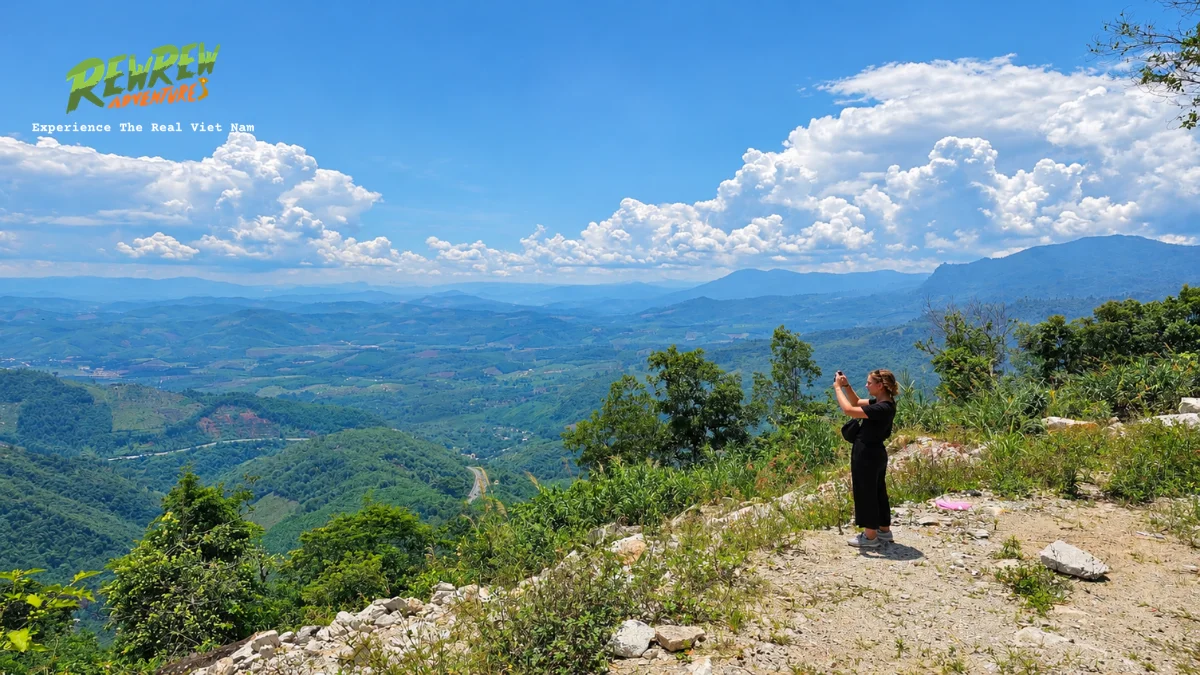
While many travelers complete the famous Ha Giang motorbike loop, fewer branch southwest to explore Hoang Su Phi. Yet, this district harbors what are arguably the most vertically staggering and technically sophisticated terraced rice fields in Southeast Asia.
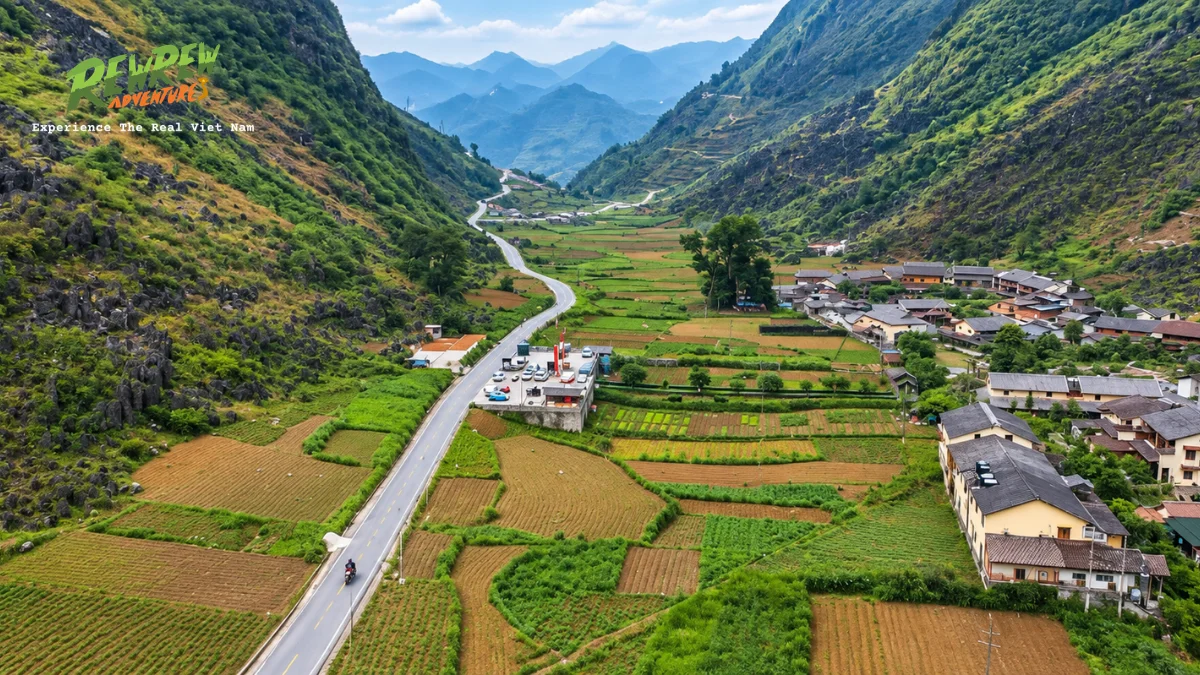
Carved into mountain slopes with 45-degree inclines over three centuries by the La Chi, Dao, and Nung people, the terraces of Ban Luoc, Phung Village, and Nam Hong are recognized as national heritage monuments.
Trekking along these high-altitude paths provides unparalleled photographic opportunities and quiet overnight homestay stays with local Dao herbal bath masters.
Bac Son Valley and Mount Na Lay
Tucked inside Lang Son province, Bac Son Valley is a wide, fertile flat basin surrounded by jagged limestone pinnacles.
Because local Tay farmers cultivate two rice crops per year that mature at slightly different intervals, the valley resembles a vivid patchwork quilt of neon greens, rich golds, and mirrored water surfaces.
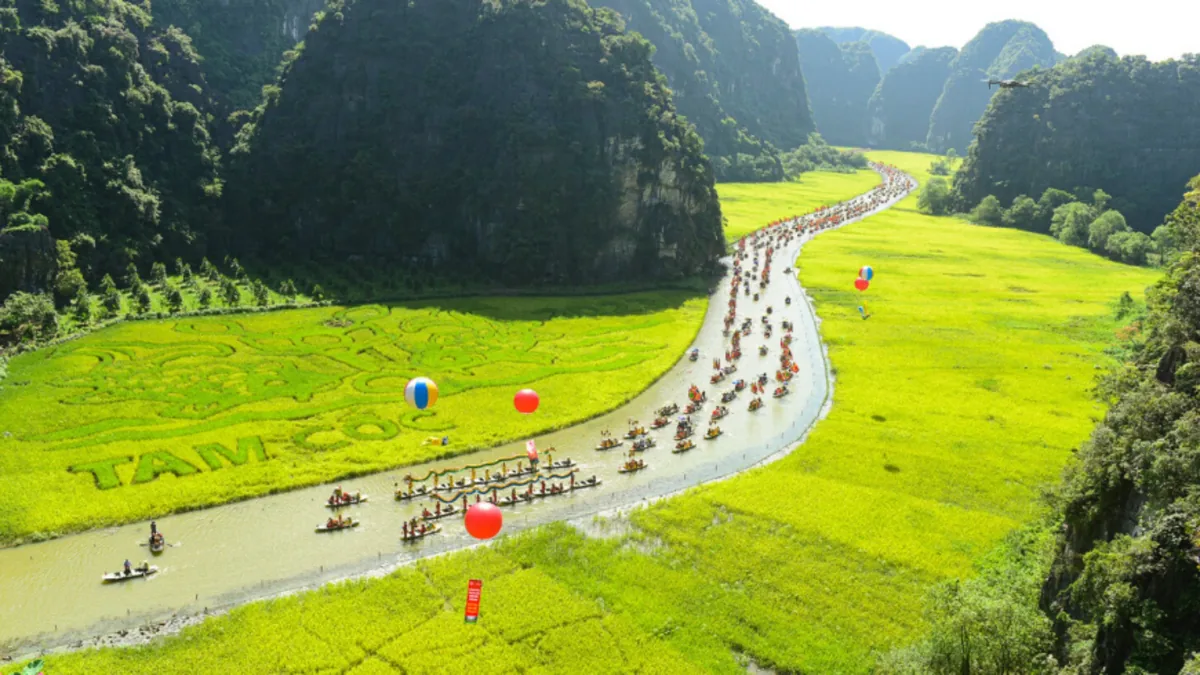
Climbing the 1,200 stone steps to the summit of Mount Na Lay at dawn grants an unforgettable 360-degree panoramic view of morning fog drifting between limestone spires while farming families begin their daily routines in the fields below.
Planning Transportation and Practical Logistics for Remote Regions
Reaching these secluded gems requires thoughtful travel planning and flexible schedules.
First, consider transport options carefully. While destinations like Pu Luong and Ba Be Lake can be reached via comfortable private shuttles from Hanoi, reaching frontier outposts like Y Ty, Ta Xua, or Hoang Su Phi requires sturdy local buses followed by motorcycle transfers.
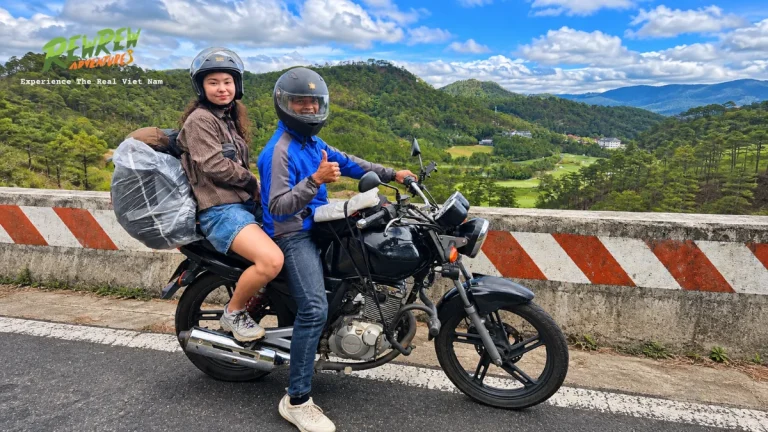
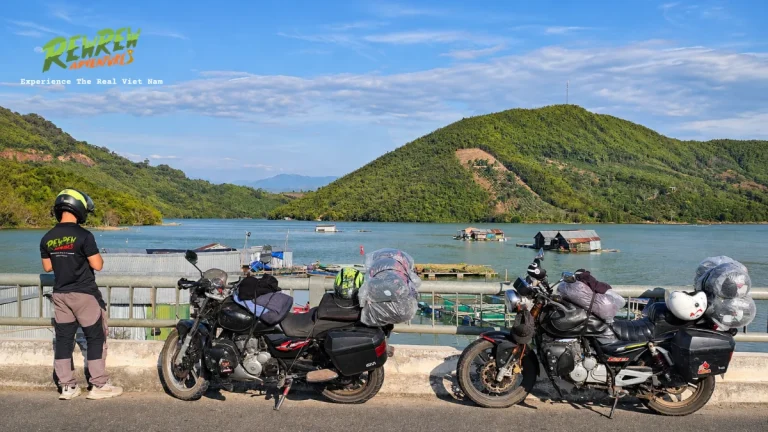
For experienced motorcyclists, hiring a capable manual or semi-automatic motorcycle from reputable rental companies provides the freedom to navigate winding mountain passes safely.
Second, respect local ethnic customs. When entering ethnic minority homes, always remove your footwear at the threshold, ask permission before photographing individuals, and avoid touching sacred ancestral altars located in the central bays of traditional stilt houses.
Third, carry sufficient local currency. ATMs are virtually non-existent in remote border communes, and local family guesthouses rarely accept international credit cards. Withdrawing adequate Vietnamese dong in regional hub towns ensures smooth transactions for lodging, fuel, and meals.
Frequently Asked Questions About Remote Travel in Vietnam
Do travelers need special permits to visit border regions like Y Ty or Hoang Su Phi?
Foreign passport holders traveling through border districts within Lao Cai and Ha Giang provinces technically require a border travel permit (Giay Phep Vao Khu Vuc Bien Gioi), which costs roughly $10.00 USD and can be obtained easily at provincial immigration offices or through verified local homestay hosts.
What is the most reliable way to navigate remote roads in Vietnam?
Download offline mapping applications such as Google Maps or Maps.me before departing major urban centers, as cellular data coverage can become intermittent in deep mountain gorges.
However, checking road conditions with local guesthouse hosts before departure is essential, particularly during the rainy season when landslides can occur.
Are ATMs and digital payments accessible in remote villages?
No, digital payment infrastructure is extremely limited in isolated communes. While high-speed 4G cellular data is surprisingly widespread throughout rural Vietnam, village markets and family-run homestays operate almost exclusively on cash. Always carry adequate cash reserves.
How can travelers practice responsible tourism in ethnic minority communities?
Practice responsible tourism by staying at authentic community-owned homestays, hiring registered local guides from the villages you visit, purchasing handmade handicrafts directly from artisan weavers rather than intermediaries, and dressing modestly when walking through residential hamlets.
Venturing into Vietnam’s pristine backcountry allows you to experience the country’s untamed natural majesty and cultural warmth at its finest. If you are eager to leave crowded tour buses behind and explore majestic highland routes with knowledgeable local guides, booking an authentic Vietnam motorbike tour with Rew Rew Adventures delivers an extraordinary expedition tailored to your adventurous spirit.