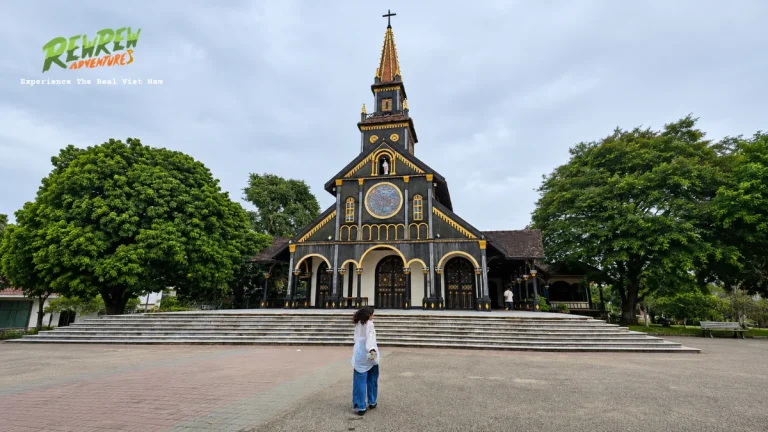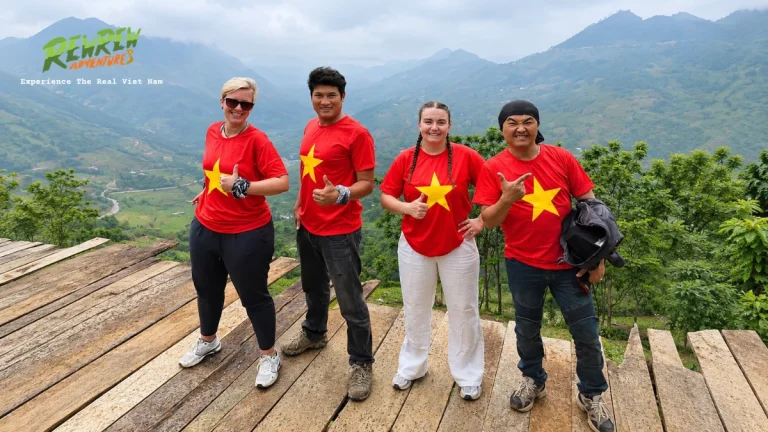
Stretching over 1,600 kilometers along the eastern edge of the Indochinese Peninsula, Vietnam is a country of extraordinary geographic contrast and living cultural heritage.
From jagged limestone peaks rising above misty northern valleys to the calm waterways of the southern delta, few destinations offer such diverse travel experiences in a single trip.
Whether you want to navigate epic mountain passes on two wheels, cruise between emerald islands on a traditional boat, explore vast subterranean caverns, or enjoy street food on small sidewalk stools, Vietnam delivers memorable adventures across every region.
Here is the definitive list of the 20 best things to do in Vietnam, complete with practical logistics, estimated costs, and expert travel tips.
Quick Check: 20 Best Experiences in Vietnam
- Top Adventure Highlights: Riding the Ha Giang Loop, exploring Phong Nha caves, and taking an Easy Rider motorbike tour through the Central Highlands.
- Scenic Landscapes: Overnight cruising in Ha Long Bay, taking a rowboat through Ninh Binh, and trekking terraced rice fields in Mu Cang Chai.
- Culture & Heritage: Walking through ancient Hoi An at night, touring the Hue Citadel, and exploring the street food of Hanoi Old Quarter.
- Typical Activity Costs: Independent street visits cost under $5.00 USD, guided day tours range from $15.00 to $45.00 USD, and multi-day cruises range from $120.00 to $250.00 USD.
- Suggested Travel Pace: Plan two to three weeks to travel comfortably between Hanoi, Central Vietnam, and Ho Chi Minh City.
Overview of Travel in Vietnam
Vietnam’s elongated S-shape spans multiple distinct climate zones, allowing travelers to experience temperate mountain highlands, subtropical pine forests, tropical beaches, and vast river basins within the same vacation.
Beyond its natural scenery, Vietnam’s greatest treasure is its vibrant daily life. With 54 ethnic groups, centuries of dynastic history, and rich culinary traditions, every province offers unique architectural styles, dialects, and regional flavors.
Whether you are navigating the energetic scooter traffic of Ho Chi Minh City or sharing freshly brewed green tea with ethnic Dao villagers in a quiet mountain settlement, Vietnam welcomes travelers with sincere hospitality and unforgettable memories.
Comparison of the 20 Best Things to Do in Vietnam
| Number & Experience | Region | Activity Type | Estimated Cost (USD) | Best Season |
|---|---|---|---|---|
| 1. Cruise Ha Long Bay and Lan Ha Bay | Northeast Coast | Scenic Boat Cruise | $120 – $250 USD | Oct – Apr |
| 2. Ride the Ha Giang Motorbike Loop | Northern Frontier | Adventure Road Trip | $65 – $80 USD / day | Sep – Nov & Mar – May |
| 3. Explore the Giant Caves of Phong Nha | Central Vietnam | Spelunking & Trekking | $70 – $300 USD | Feb – Aug |
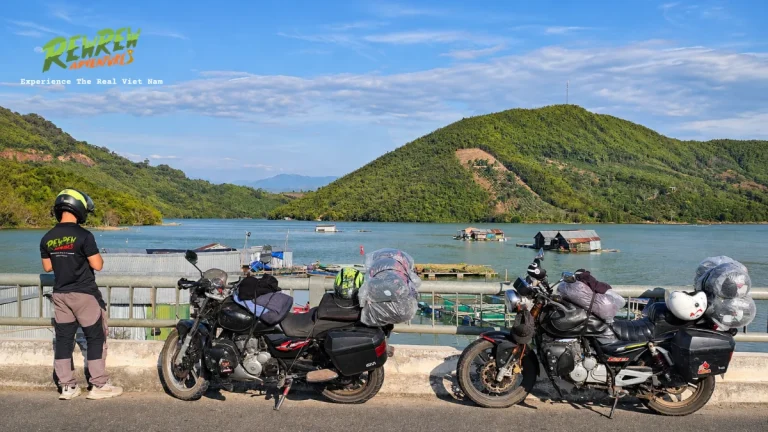
| 4. Take an Easy Rider Tour in the Highlands | Central Highlands | Guided Motorcycle Tour | $65 – $75 USD / day | Nov – Apr |
| 5. Walk the Lantern-Lit Streets of Ancient Hoi An | Central Coast | UNESCO Cultural Heritage | $5 – $20 USD | Feb – Jul |
| 6. Tour the Imperial Citadel in Hue | Central Vietnam | Imperial History Tour | $8 – $15 USD | Jan – Aug |
| 7. Taste Street Food in Hanoi Old Quarter | Northern Capital | Culinary Walking Tour | $15 – $35 USD | Oct – Apr |
| 8. Visit the War Remnants Museum in Ho Chi Minh City | South | Historical Exhibition | $2 – $5 USD | Dec – Apr |
| 9. Take a Boat Tour through Ninh Binh Karsts | Red River Delta | Nature River Excursion | $10 – $18 USD | Mar – Jun & Sep – Nov |
| 10. Visit Floating Markets in the Mekong Delta | Southern Basin | River Culture & Boat Tour | $25 – $60 USD | Sep – Mar |
| 11. Relax on the Beaches of Phu Quoc Island | Gulf of Thailand | Island Resort & Snorkeling | $40 – $120 USD / day | Nov – Apr |
| 12. Trek the Rice Terraces in Mu Cang Chai | Northwest Mountains | Landscape Hiking | $30 – $60 USD / day | Sep – Oct |
| 13. Catch the Sunrise at Mui Ne Sand Dunes | South Central Coast | Coastal Desert Adventure | $15 – $30 USD | Nov – Apr |
| 14. Ride across the Coastal Hai Van Pass | Central Coast | Scenic Coastal Ride | $30 – $65 USD | Mar – Sep |
| 15. Walk the Golden Bridge at Ba Na Hills | Da Nang Highlands | Mountain Theme Resort | $35 – $45 USD | Mar – Sep |
| 16. Taste Highland Coffee in Da Lat | Central Highlands | Agritourism & Cafes | $2 – $10 USD | Year-round |
| 17. Kayak the Lagoons of Cat Ba Island | Northern Gulf | Marine Kayaking | $20 – $45 USD | Apr – Nov |
| 18. Cycle through Rural Villages in Mai Chau | Northwest Region | Eco-Biking & Homestays | $15 – $35 USD | Oct – May |
| 19. Watch Water Puppet Theater in Hanoi | Northern Capital | Traditional Performing Art | $5 – $9 USD | Year-round |
| 20. Explore the Caves of the Marble Mountains in Da Nang | Central Coast | Karst Caves & Pagodas | $3 – $8 USD | Feb – Aug |
*Note: The prices and rates listed above are for reference only and subject to seasonal updates or provider adjustments.*
1. Cruise Ha Long Bay and Lan Ha Bay
Ha Long Bay and its quieter neighbor Lan Ha Bay are renowned worldwide for thousands of dramatic limestone pillars rising from calm green waters.
Booking an overnight cruise on a traditional boat lets you sail through secluded coves, paddle kayaks through low sea tunnels into hidden tidal lagoons, and visit impressive illuminated caves such as Sung Sot. Enjoying early morning coffee on the top deck as mist clears over the islands is a signature Vietnam experience.

2. Ride the Ha Giang Motorbike Loop
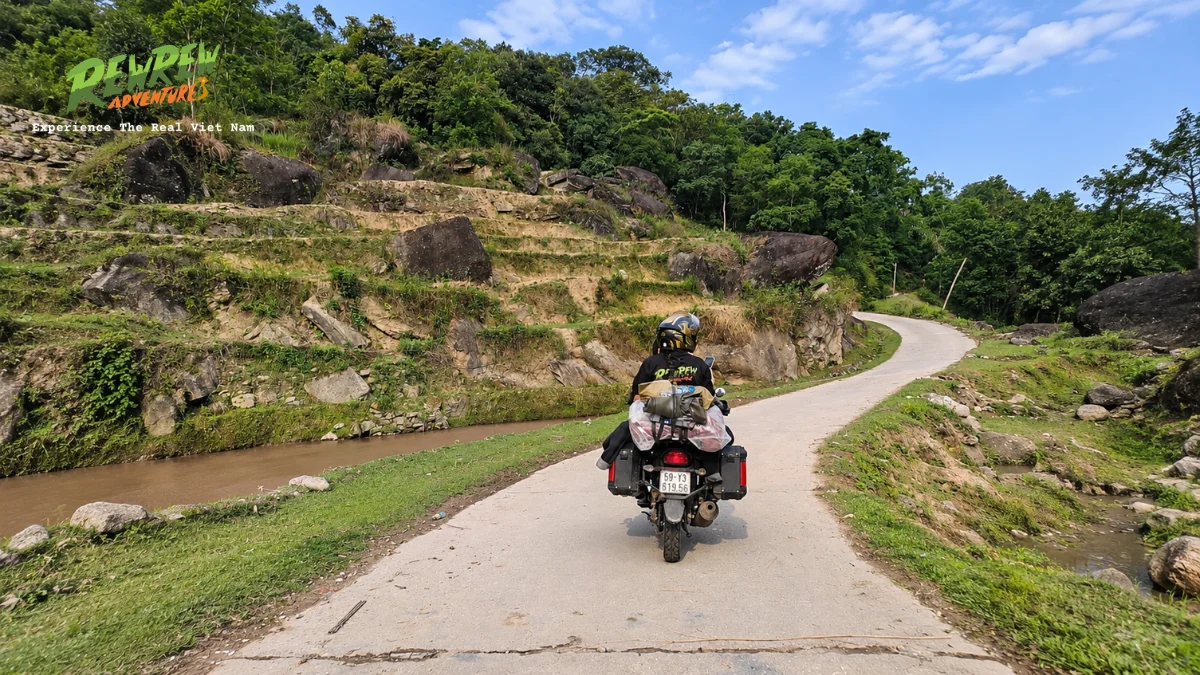
Recognized as one of the most exciting road trips in Southeast Asia, the Ha Giang Loop winds along steep limestone canyons on Vietnam’s northern frontier.
Riding over Ma Pi Leng Pass offers dizzying views down to the turquoise Nho Que River flowing through Tu San Canyon. Travelers can stay in cozy ethnic homestays, meet friendly locals at weekly markets, and witness some of the most dramatic mountain roads in Asia.
3. Explore the Giant Caves of Phong Nha
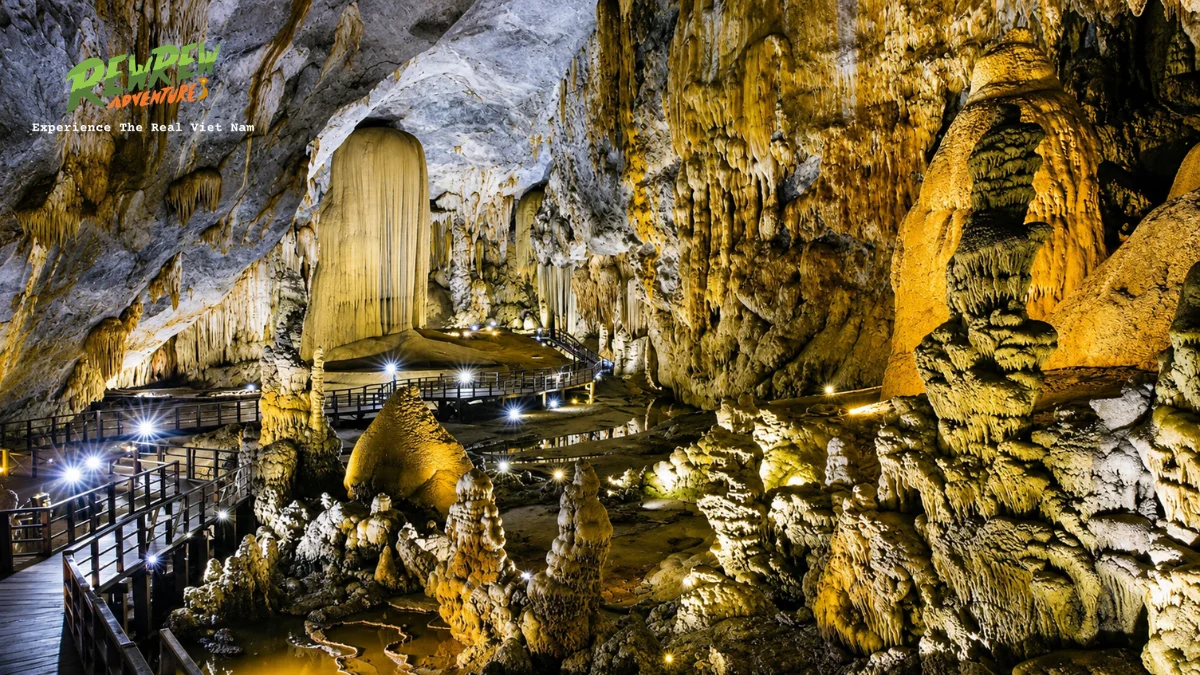
Phong Nha-Ke Bang National Park contains some of the largest and oldest cave formations on the planet, including Hang Son Doong.
While multi-day expeditions to Son Doong require booking months in advance, easily accessible caverns like Paradise Cave (Thien Duong) and Phong Nha Cave feature vast stalactite chambers, underground rivers, and elevated wooden boardwalks suitable for all travelers.
4. Take an Easy Rider Tour in the Central Highlands
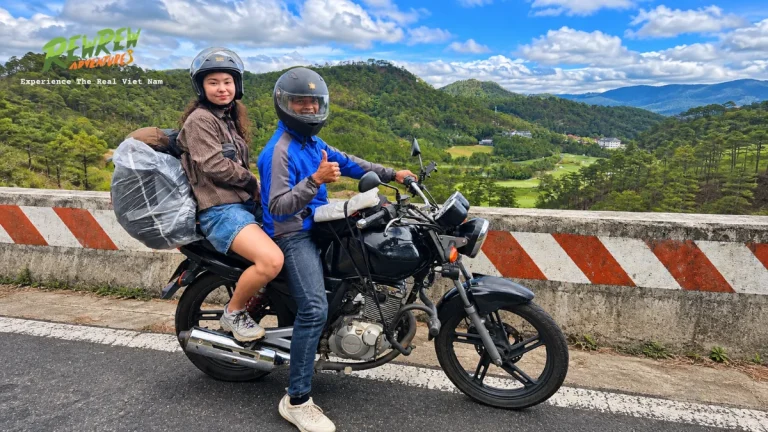
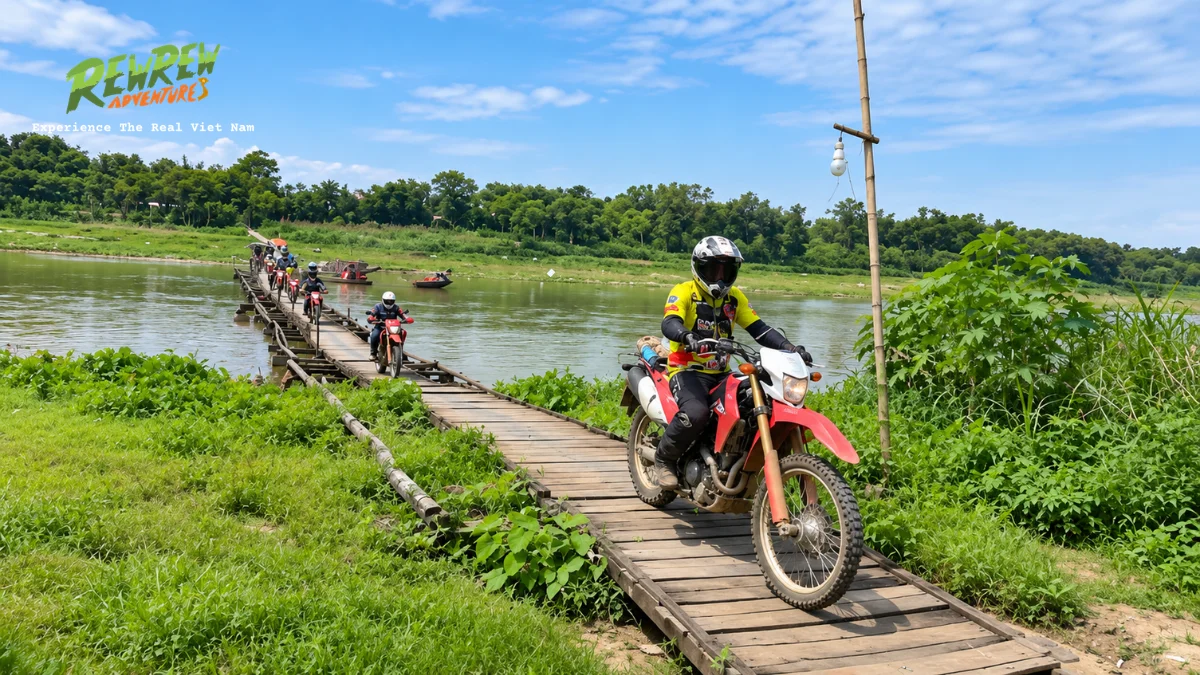
For travelers who want to see authentic rural life away from tour buses, booking an Easy Rider motorbike tour is unmatched.
Sitting comfortably behind a licensed local driver, you ride across mountain passes, visit family-run coffee farms and silk workshops, and stay in traditional lakeside stilt villages with ethnic minority hosts.
5. Walk the Lantern-Lit Streets of Ancient Hoi An
Hoi An is a remarkably preserved historic port town that once welcomed merchant ships from across Asia and Europe. Each evening, the streets along the Thu Bon River are illuminated by hundreds of handcrafted silk lanterns.
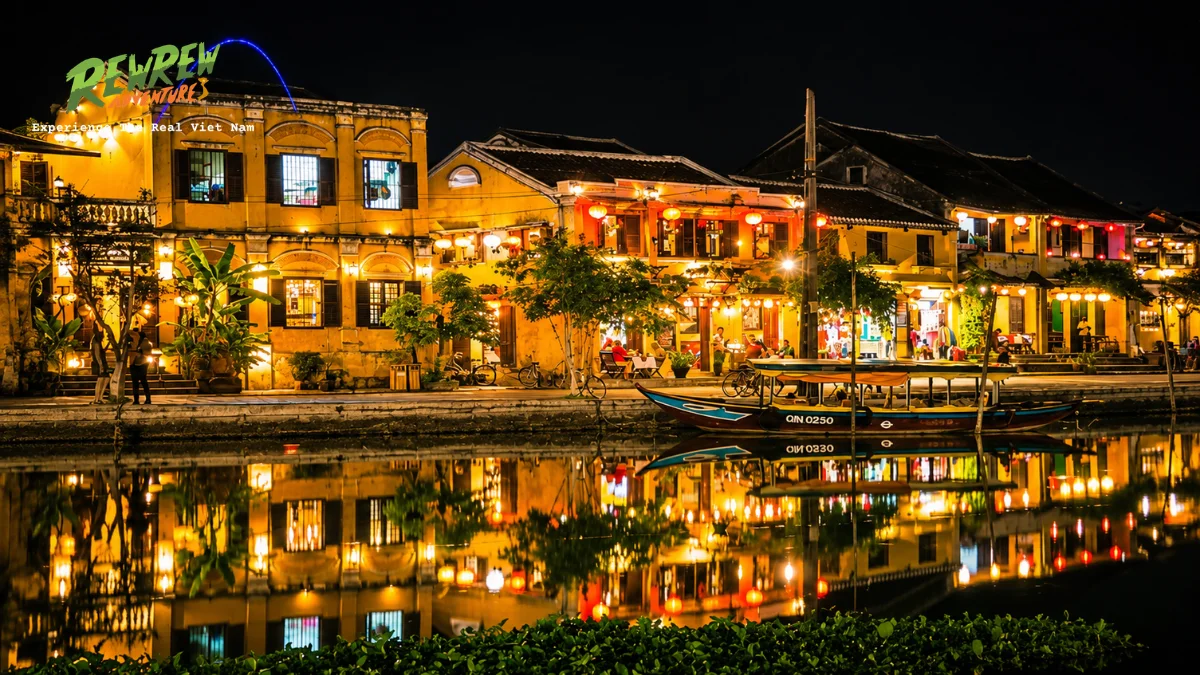
Visitors can explore antique merchant houses, cross the Japanese Covered Bridge, sample local Cao Lau noodles, and release floating paper lanterns onto the water.
6. Tour the Imperial Citadel in Hue
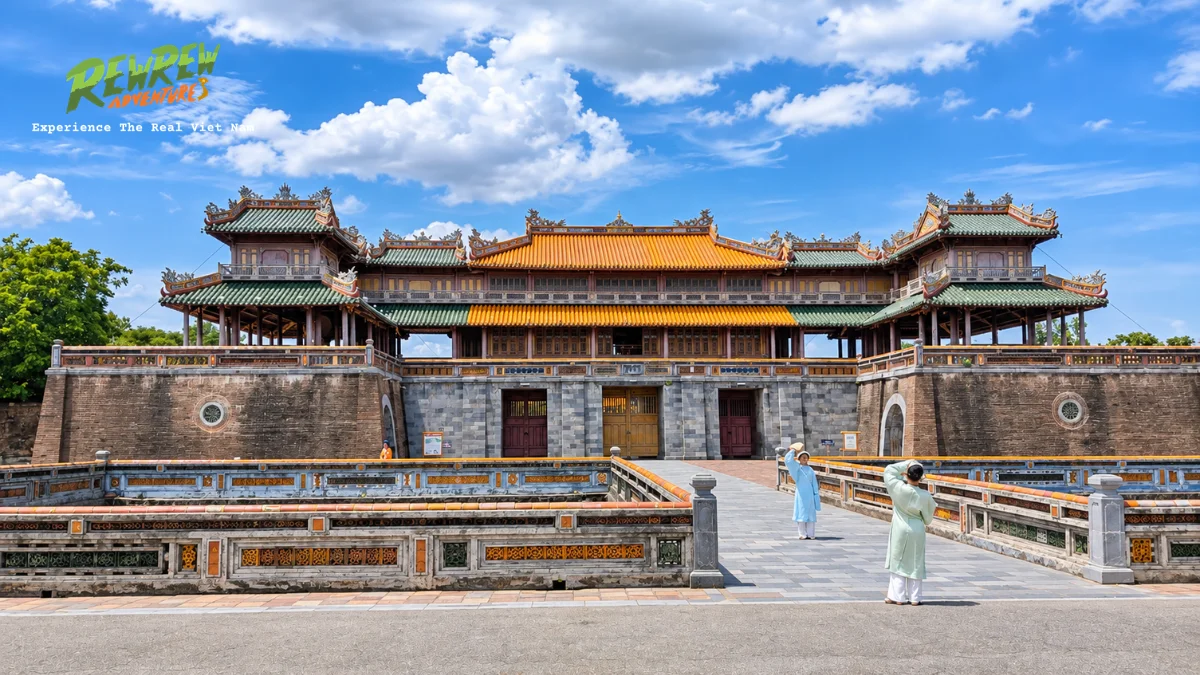
Set along the Perfume River, Hue served as the royal capital of the Nguyen Dynasty from 1802 to 1945.
Walking through the imposing stone walls of the Imperial City and the Forbidden Purple City provides deep insight into royal court life, classical architecture, and dynastic heritage.
Nearby hills host the elaborate forest tombs of former emperors such as Tu Duc and Khai Dinh.
7. Taste Street Food in Hanoi Old Quarter
Hanoi’s historic 36 Guild Streets have bustled with commerce and dining for nearly a thousand years.
Wandering through this maze of narrow alleys, travelers can sit on low sidewalk stools to savor authentic Pho Bo, charcoal-grilled Bun Cha pork patties, crispy Banh Cuon rice rolls, and famous whipped egg coffee at historic cafes.
8. Visit the War Remnants Museum in Ho Chi Minh City
Located in District 3 of Ho Chi Minh City, the War Remnants Museum presents an informative and sobering examination of the Vietnam War from the local perspective.
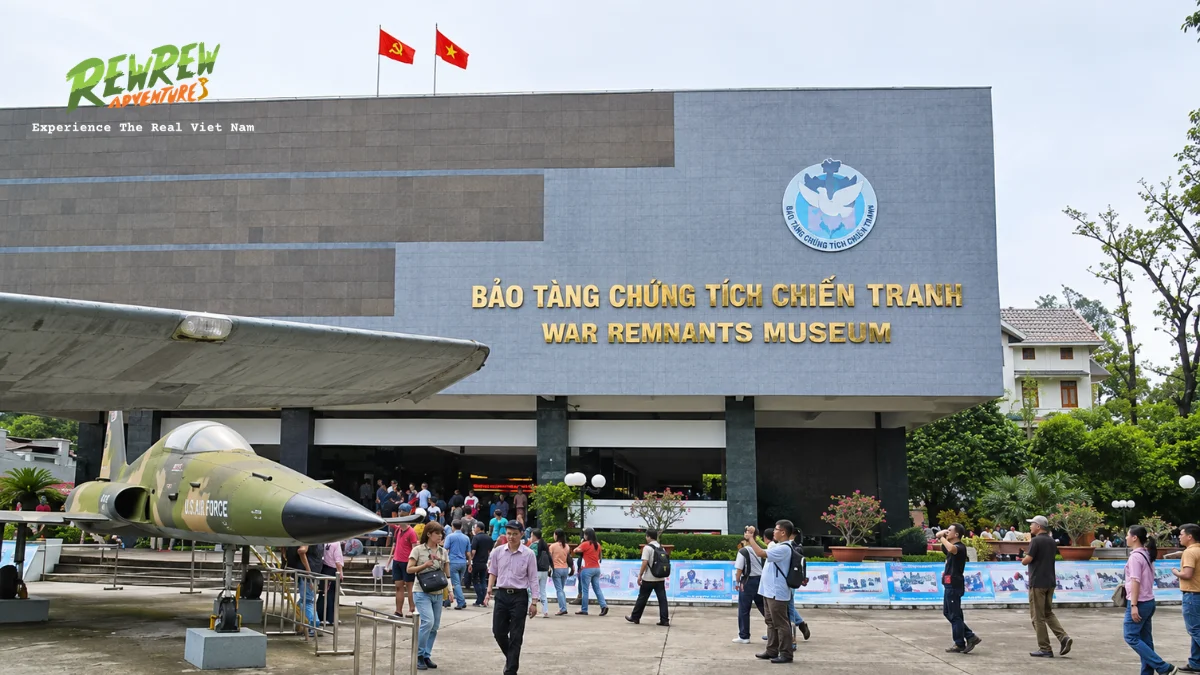
The museum displays preserved military aircraft, historical photography collections, and documentary evidence that provide valuable context for understanding modern Vietnamese history.
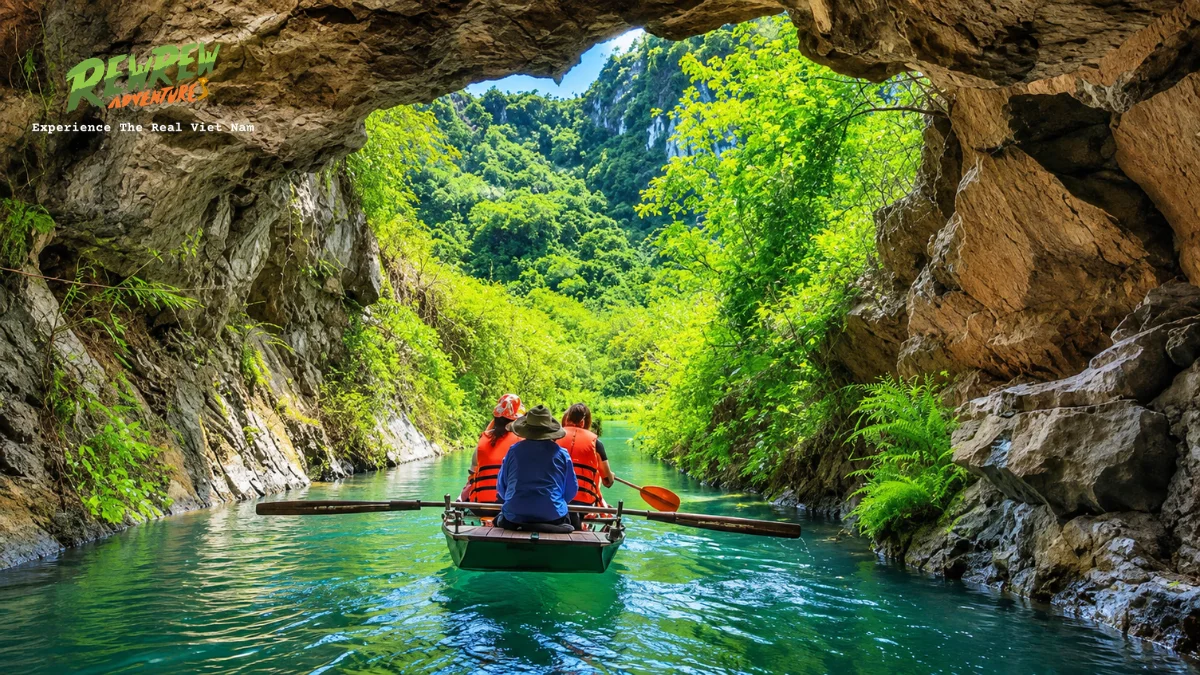
9. Take a Boat Tour through Ninh Binh Karsts
Often called Ha Long Bay on land, Ninh Binh features vertical limestone cliffs rising above green river channels and rice fields.
At Trang An or Tam Coc, local rowers use their feet to glide wooden boats through subterranean water caves, offering a peaceful look at rural river life surrounded by nature.
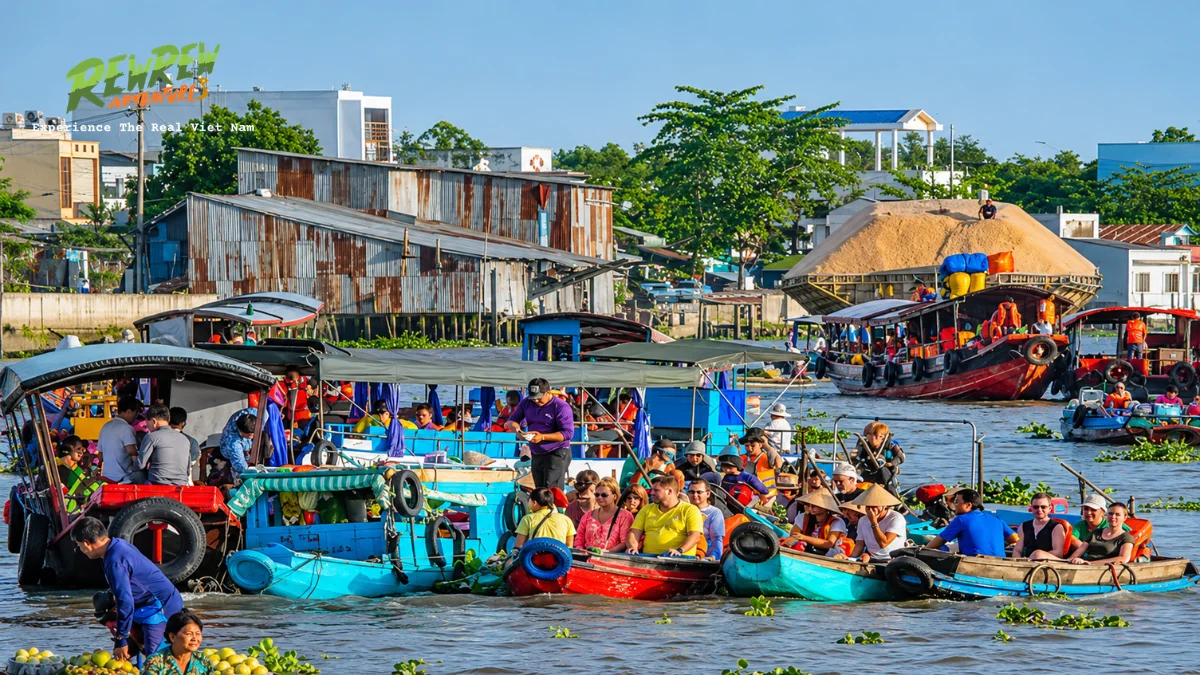
10. Visit Floating Markets in the Mekong Delta
The Mekong Delta is a vast water world where commerce and transportation revolve around rivers.
Taking a morning boat tour from Can Tho into Cai Rang Floating Market allows you to watch local wholesale traders sell fresh pineapples, watermelons, and seasonal produce directly from wooden riverboats.
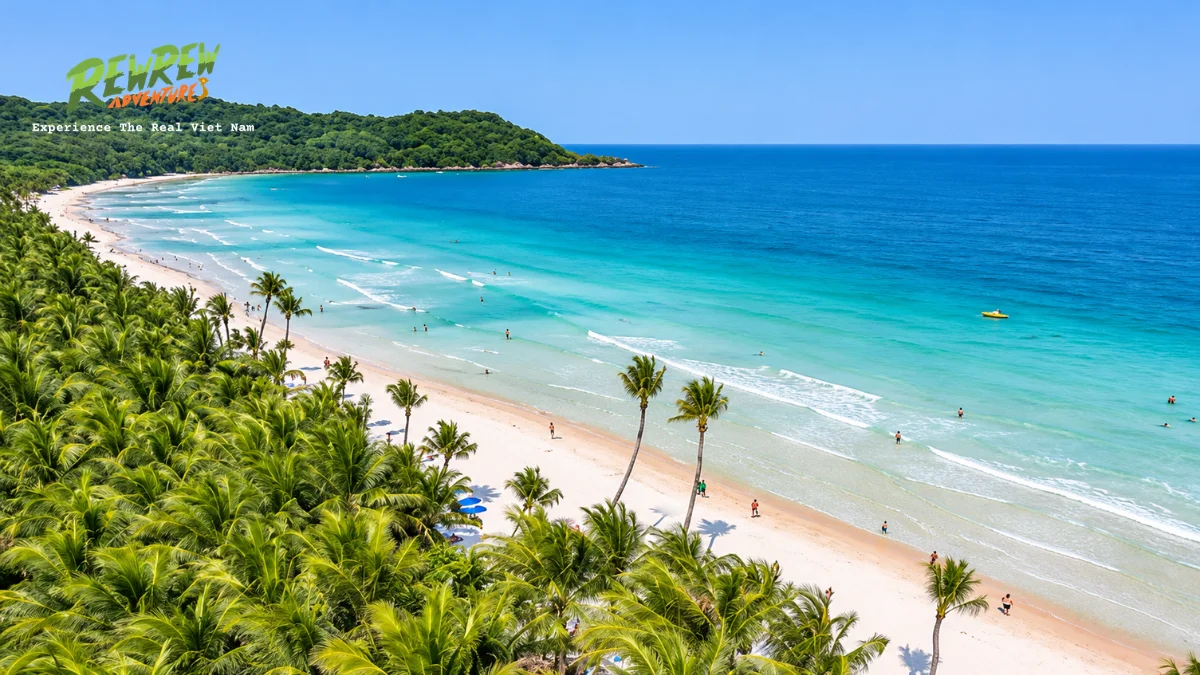
11. Relax on the Beaches of Phu Quoc Island
Located in the warm waters of the Gulf of Thailand, Phu Quoc is Vietnam’s leading tropical beach getaway.
Travelers can relax on soft white sands at Sao Beach, snorkel among coral reefs in the An Thoi archipelago, tour traditional fish sauce factories, and enjoy fresh seafood at the evening night market.
12. Trek the Rice Terraces in Mu Cang Chai
The sculpted hillsides of Mu Cang Chai in Yen Bai province represent centuries of traditional mountain agriculture by the local Hmong community.
During the golden harvest season in September and October, the terraced slopes turn into glowing yellow amphitheaters that rank among the most scenic landscape views in Southeast Asia.
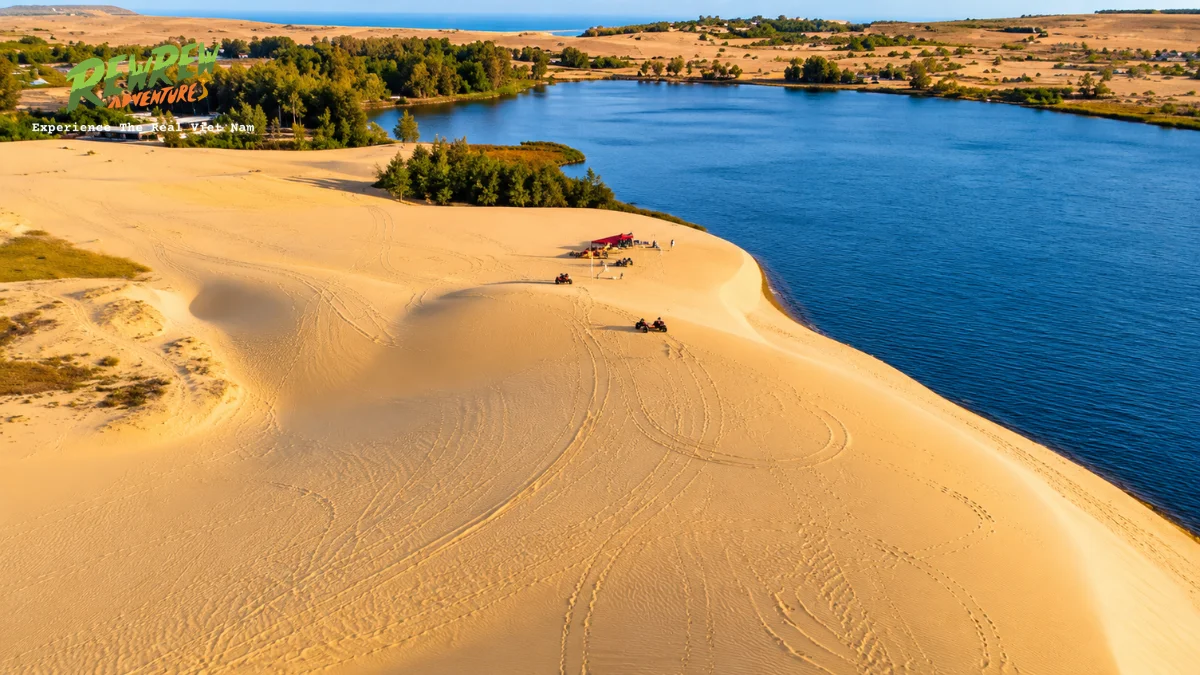
13. Catch the Sunrise at Mui Ne Sand Dunes
Along the sunny coast of Binh Thuan province, Mui Ne is famous for its rolling red and white sand dunes.
Waking up before dawn to ride quad bikes or sandboard down the dunes as the sun rises over the nearby ocean creates a striking contrast with Vietnam’s usual lush green landscapes.
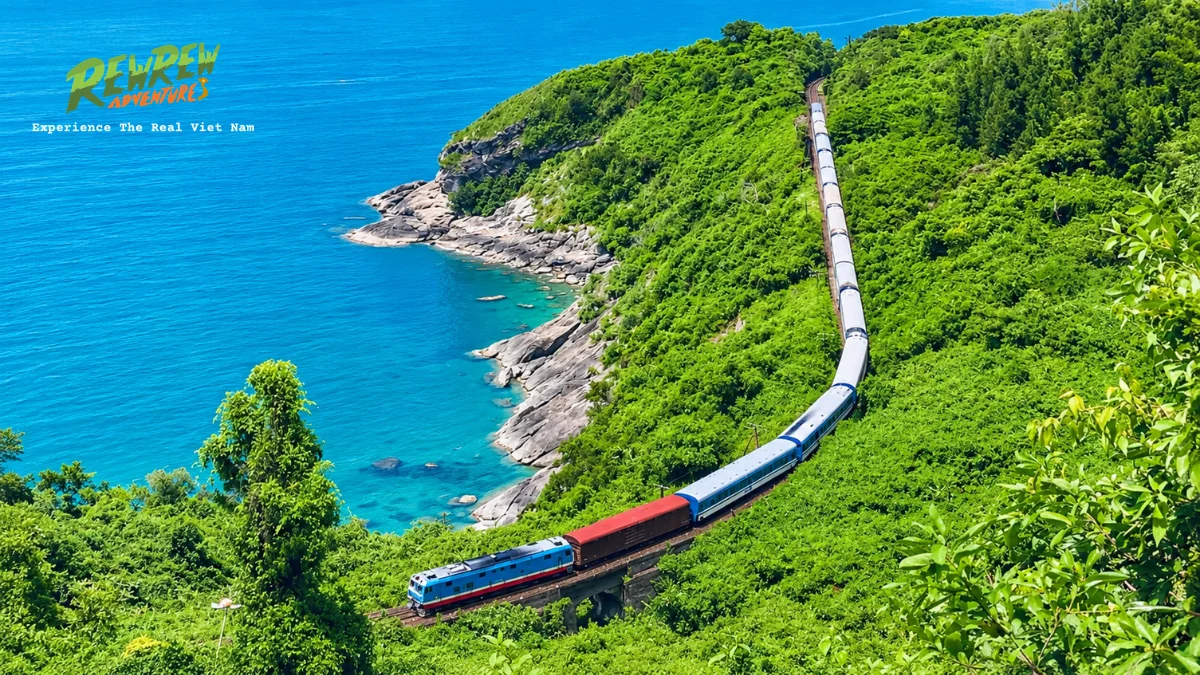
14. Ride across the Coastal Hai Van Pass
Connecting Da Nang and Hue, the Hai Van Pass curves along the mountain slopes overlooking the East Sea.
The 21-kilometer coastal road offers open ocean views, sweeping curves, and historic viewpoints that make it one of the country’s most celebrated coastal drives for motorbikes and road trips.
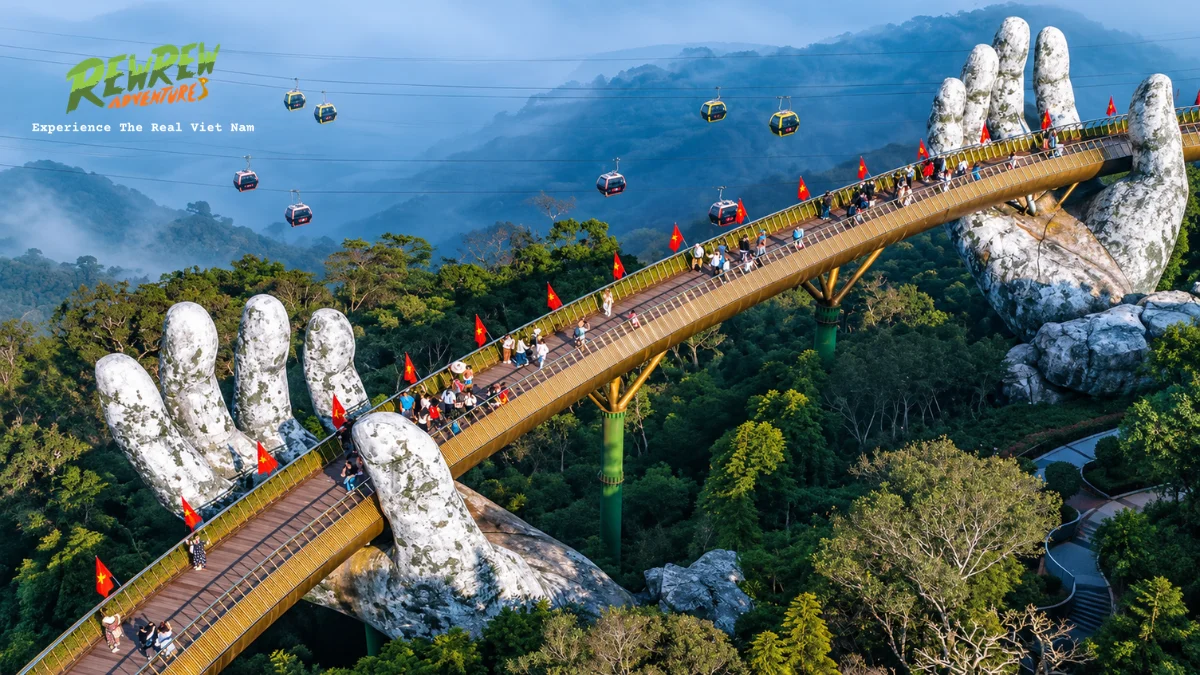
15. Walk the Golden Bridge at Ba Na Hills
Perched in the mountains outside Da Nang, the Golden Bridge has become an internationally recognized architectural icon.
Held aloft by two enormous weathered stone hands emerging from the cliffside, the bridge offers panoramic views across surrounding forested mountains and the coastal plain below.
16. Taste Highland Coffee in Da Lat
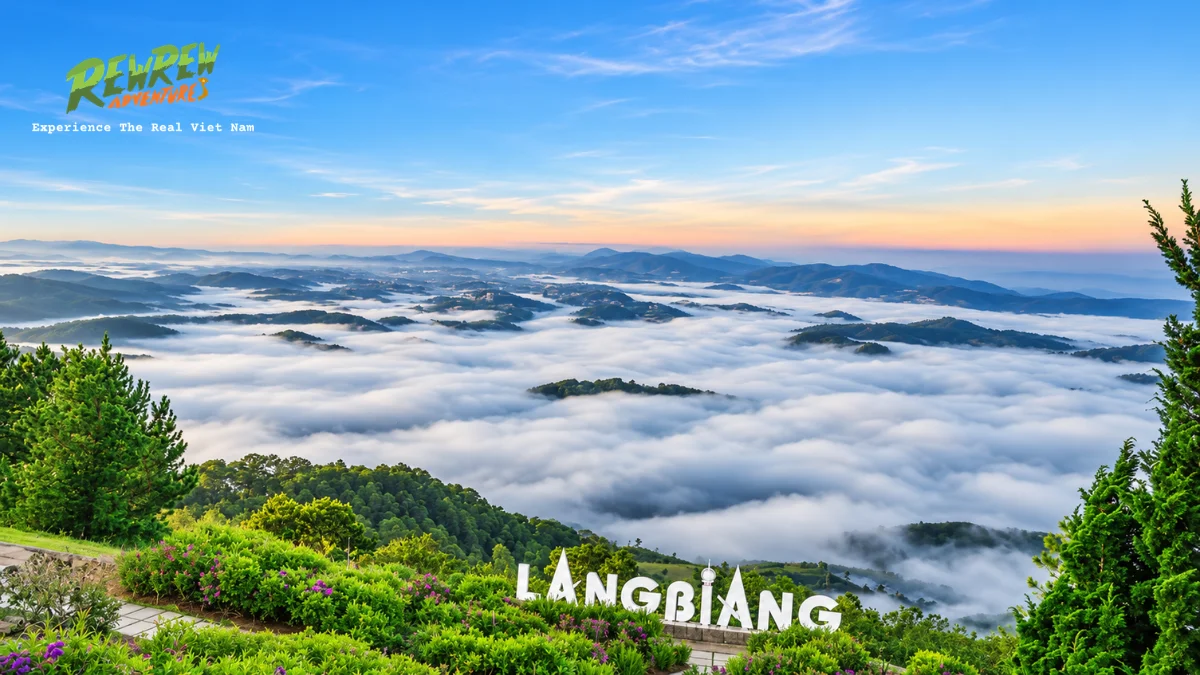
Situated at 1,500 meters altitude, Da Lat’s cool mountain air creates ideal conditions for growing high-grade arabica coffee.
Visitors can explore hillside cafes overlooking pine valleys, tour organic plantations, and learn how local farmers pick, ferment, and roast single-origin beans.
17. Kayak the Lagoons of Cat Ba Island
Cat Ba Island serves as the natural adventure hub of Lan Ha Bay.
Renting a sea kayak allows you to paddle quietly through hidden lagoons, explore deserted sandy beaches bordered by sheer karst cliffs, and observe coastal wildlife away from busy cruise shipping channels.
18. Cycle through Rural Villages in Mai Chau
Located in a peaceful mountain valley in Hoa Binh province, Mai Chau is home to White Thai communities living in traditional wooden stilt houses.
Renting a bicycle to ride along flat paths between rice paddies and bamboo groves offers a restful rural escape with welcoming family homestays.
19. Watch Water Puppet Theater in Hanoi
Water puppetry (Mua Roi Nuoc) is a traditional performing art dating back to the 11th century in the Red River Delta.
Puppeteers stand waist-deep in water behind bamboo screens, manipulating lacquered wooden figures across the water’s surface to tell folk tales accompanied by live traditional music.
20. Explore the Caves of the Marble Mountains in Da Nang
The Marble Mountains (Ngu Hanh Son) are a cluster of five limestone hills named after the five elements.
Climbing the stone stairs brings you to hidden Buddhist sanctuaries, carved marble grottos, and high viewing pavilions looking out across Non Nuoc Beach and Da Nang city.
Practical Tips for Traveling in Vietnam
Planning a smooth trip across Vietnam is straightforward with a few sensible preparations.
First, plan your transport according to travel distance.
Domestic flights and overnight sleeper trains work best for connecting distant cities like Hanoi, Da Nang, and Ho Chi Minh City, while regional motorbike tours and private car transfers offer the best way to enjoy local countryside scenery.
Second, pack for changing weather. Vietnam experiences very different seasonal temperatures. Pack warm layers for winter in Hanoi and the cool highlands of Da Lat, along with light, breathable clothes for the tropical warmth of the South.
Third, maintain flexibility in your daily schedule. Mountain weather shifts, holiday periods, and unexpected road conditions can change your journey times. Leaving room in your itinerary allows you to enjoy places that catch your interest without rushing.
Frequently Asked Questions About Traveling in Vietnam
How much time is needed to travel across Vietnam?
To travel across North, Central, and South Vietnam comfortably, allocate two to three weeks. A two-week itinerary easily covers Hanoi, Ha Long Bay, Hoi An, Da Lat, and Ho Chi Minh City.
Travelers with three to four weeks can add road trips like the Ha Giang Loop and the Central Highlands.
What is the best way to get around Vietnam?
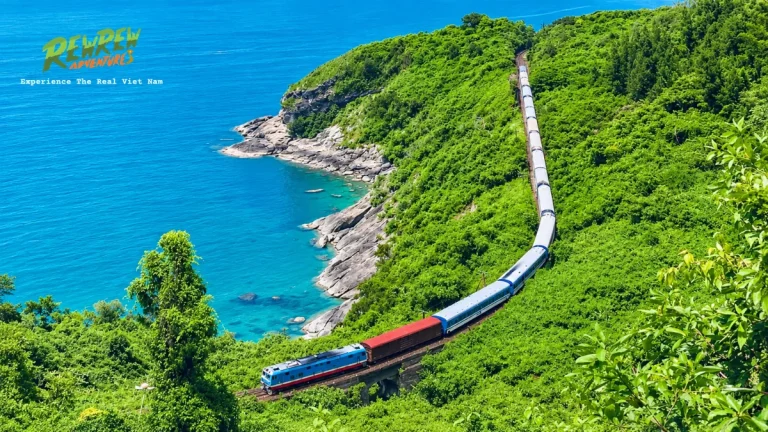
For long distances between major hubs, domestic flights are affordable and fast. For scenic journeys, the Reunification Express railway offers memorable coastal views. For regional exploration, guided motorbike tours provide the most authentic perspective.
When is the best time of year to visit Vietnam?
Spring (February to April) and autumn (September to November) offer the most pleasant weather nationwide, featuring moderate temperatures and lower rainfall across northern mountains, central heritage towns, and southern coasts.
Is Vietnam safe for solo travelers and families?
Yes, Vietnam is widely recognized as one of the safest travel destinations in Southeast Asia. Violent crime is rare, and local people are welcoming.
Standard travel precautions regarding bag safety in crowded city markets and crossing busy streets are all that is typically required.
Exploring Vietnam’s scenic landscapes, heritage towns, and countryside from the open road delivers an unforgettable travel adventure.
If you want to experience the country with knowledgeable local guides, booking an authentic Vietnam motorbike tour with Rew Rew Adventures guarantees a safe, immersive, and memorable journey.