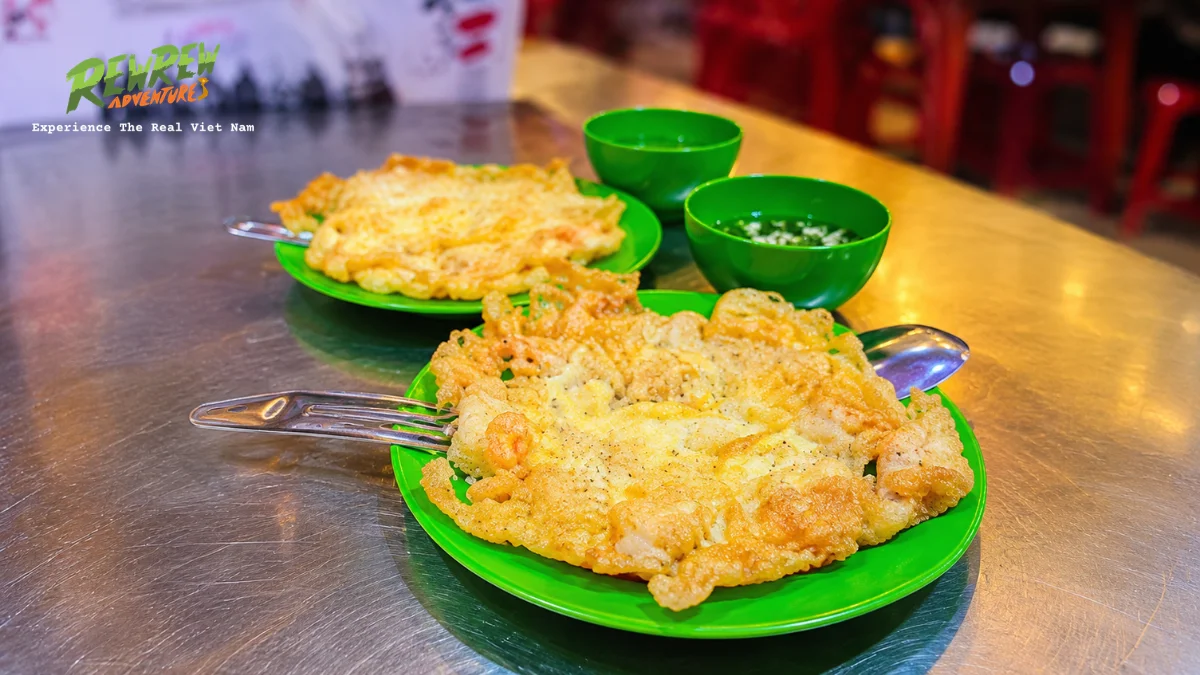
Bot Chien, or Vietnamese pan-fried rice flour cake with eggs, is one of the most comforting evening street foods you can enjoy in the cool mountain climate of Dalat.
While the dish originated in the Chinese-Vietnamese culinary enclaves of Saigon’s Cho Lon, highland cooks have embraced this sizzling delicacy, adapting it to satisfy travelers and locals seeking warm, hearty nourishment after sunset.
Quick Check: Dalat Bot Chien Essentials
- Price Range: 25,000 to 40,000 VND ($1.00 to $1.60 USD) per freshly prepared plate.
- Best Serving Time: Late afternoon and evening from 16:30 to 22:00 when highland temperatures drop.
- Core Components: Steamed rice flour cubes, fried eggs, spring onions, pickled green papaya, and sweet seasoned dark soy vinegar.
- Popular Stalls: Bot Chien Co Nam (25 Dao Duy Tu) and street food vendors near Dalat Night Market.
- Local Beverage Pairing: Piping-hot artichoke tea (Tra Atiso) or warm sweet soy milk.
Overview of Bot Chien in the Dalat Highlands
Bot Chien showcases the genius of Vietnamese street gastronomy in transforming simple pantry staples into extraordinary culinary comfort.
The dish begins with a firm batter of rice flour and tapioca starch, steamed into dense white blocks and left to cool overnight.
Vendors slice these blocks into bite-sized rectangular cubes before tossing them onto a massive, heavily seasoned cast-iron flat top griddle.
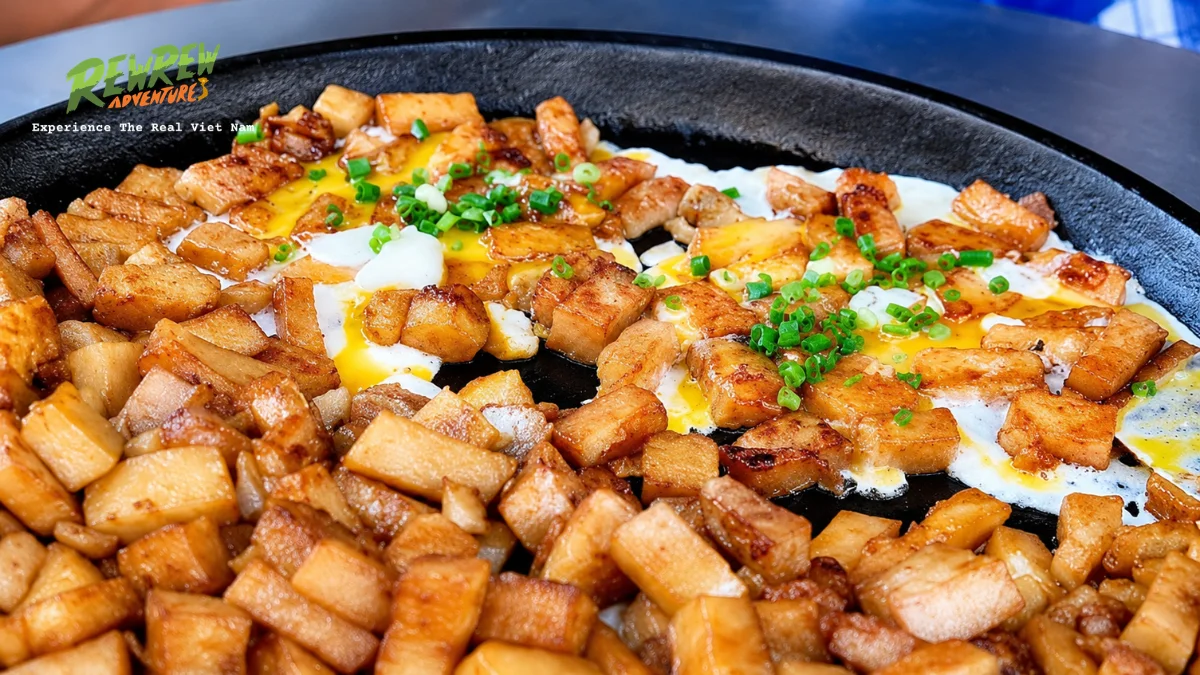
As the rice cubes sizzle in hot oil, their exterior forms a golden, blistered, shatteringly crisp crust, while the interior remains pillowy and tender.
Just before the cubes reach peak crispness, the cook cracks one or two fresh eggs directly over them, spreading the rich yellow yolk to bind the rice cubes together in a bubbling mosaic.
A generous shower of finely sliced green spring onions is scattered over the sizzling cake before it is slid onto a plate.
The dish is served alongside a small mountain of finely julienned green papaya and a bowl of warm, sweetened dark soy sauce infused with chili and rice vinegar.
In the crisp 14°C evening air of Dalat, the dramatic hiss of the flat griddle and the rich aroma of toasted rice and eggs create an irresistible stop during a night food walk.
Top 3 Authentic Stalls for Bot Chien in Dalat
| Stall Name | Street Address | Typical Hours | Price Range (USD) | Key Specialties |
|---|---|---|---|---|
| Bot Chien Co Nam | 25 Dao Duy Tu, Ward 4 | 16:00 – 21:30 | $1.00 – $1.40 USD | Extra-crispy rice cubes, rich duck egg option, homemade garlic vinegar |
| Quan An Vat 86 | 86 Nguyen Van Troi, Ward 2 | 15:30 – 22:00 | $1.00 – $1.40 USD | Quail egg variation, fried dumplings (Ha Cao), young crowd |
| Bot Chien Di Mai | 16 Nha Chung, Ward 3 | 16:30 – 22:00 | $1.00 – $1.40 USD | Convenient location near Cathedral, balanced sweet-savory sauce |
| Dalat Night Market Stalls | Nguyen Thi Minh Khai Street, Ward 1 | 18:00 – 23:30 | $1.20 – $1.80 USD | Bustling outdoor dining, open late, fast street side service |
*Note: The prices and rates listed above are for reference only and subject to seasonal updates or provider adjustments.*
1. Bot Chien Co Nam on Dao Duy Tu Street
Located on Dao Duy Tu Street in Ward 4, Bot Chien Co Nam is celebrated among local university students and longtime Dalat residents as the gold standard for traditional fried rice cakes.
Co Nam uses a proprietary blend of local Lam Dong rice flour that creates an unusually light, airy crust without absorbing excess cooking oil.
Her griddle is kept at high heat, ensuring each batch is seared quickly to seal in moisture.
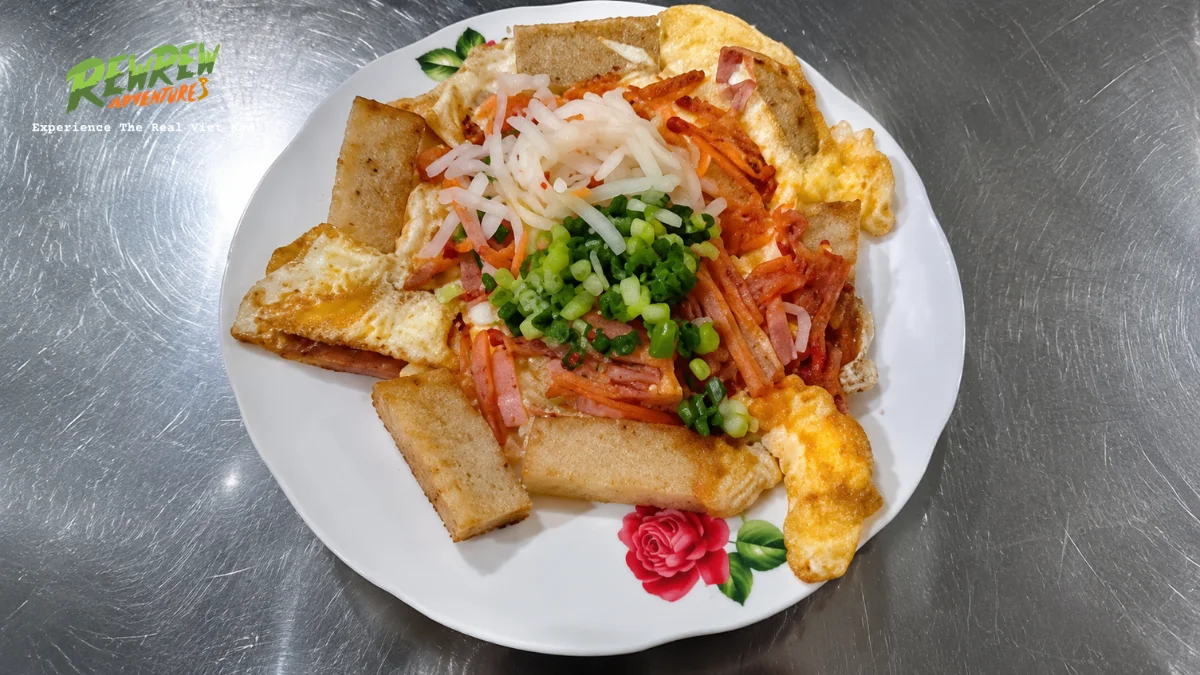
Patrons can choose between standard chicken eggs or richer duck eggs. The accompanying green papaya is shredded fresh every hour, maintaining a crisp, refreshing crunch that cuts through the savory richness of the fried cake.
2. Quan An Vat 86 on Nguyen Van Troi
Situated on the lively foodie artery of Nguyen Van Troi Street, Quan An Vat 86 caters to evening crowds looking for classic Vietnamese comfort bites.
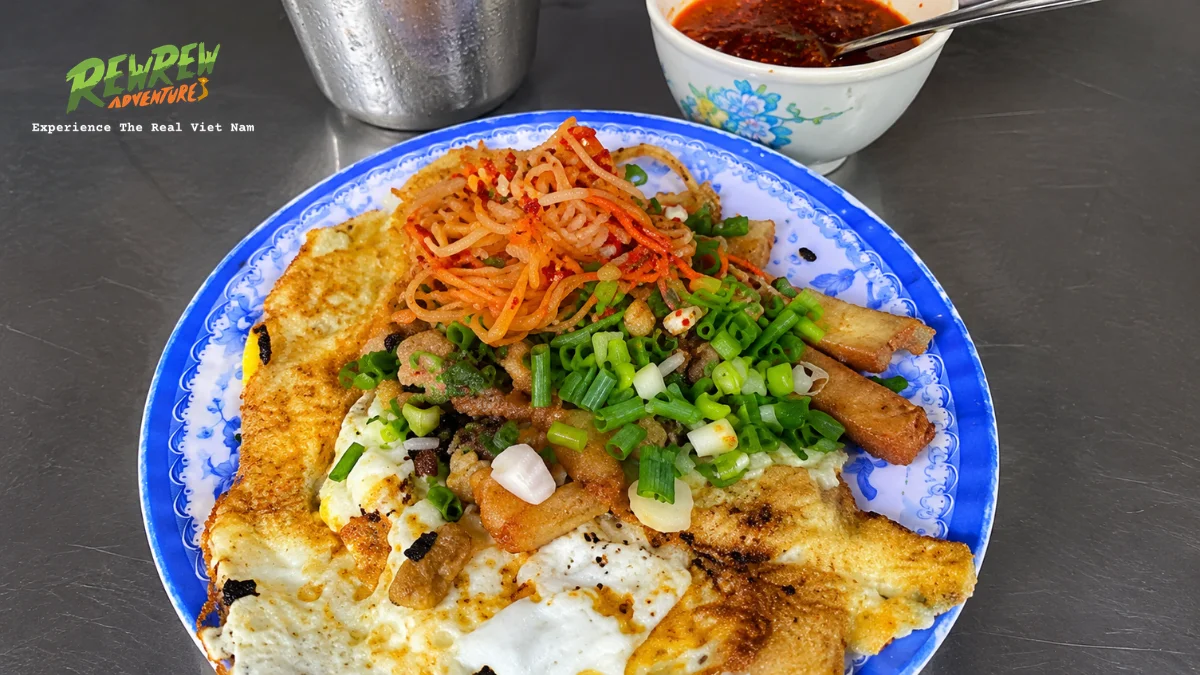
Their version of Bot Chien incorporates tiny quail eggs along with standard chicken eggs, giving the dish a luxurious richness.
The stall also serves crispy fried wontons (“Hoanh Thanh Chien”) and steamed pork dumplings, making it an excellent stop for sampling multiple street snacks.
3. Bot Chien Di Mai near the Cathedral
If you are exploring the French Quarter or walking down from the iconic Dalat Cathedral (Con Ga Church), Di Mai’s stall on Nha Chung Street provides a warm culinary refuge.
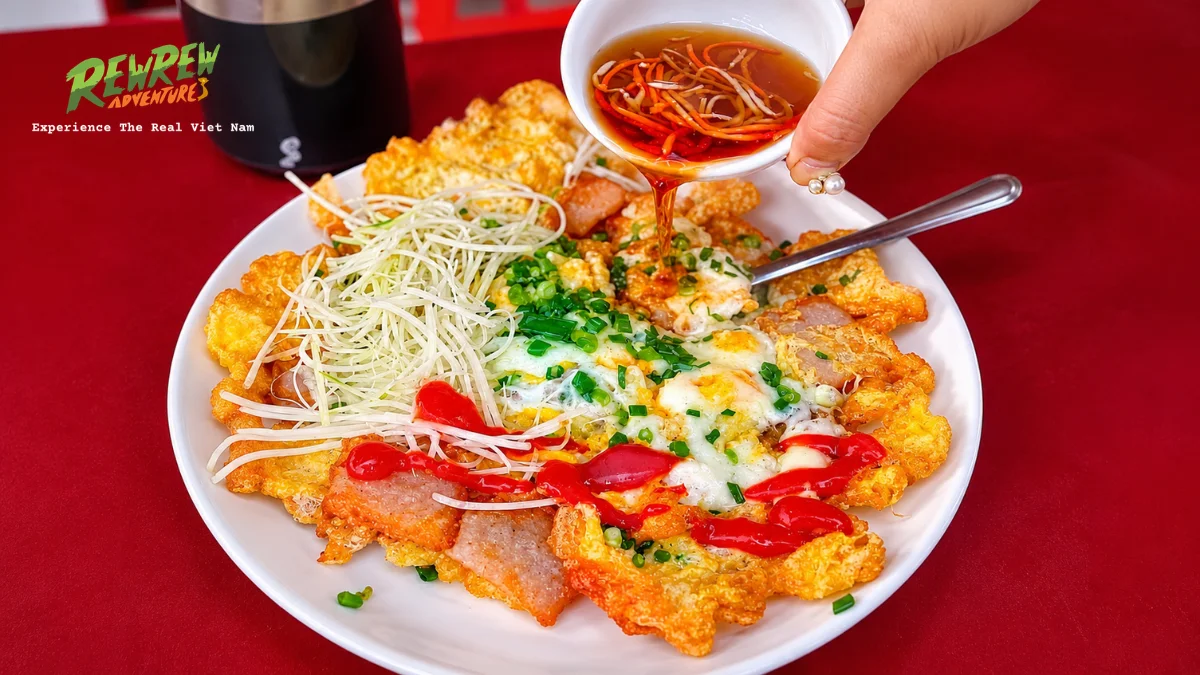
Di Mai’s secret lies in her seasoned dipping sauce, which balances aged black soy sauce with crushed chili, rice vinegar, and a touch of rock sugar.
Seating consists of cozy low plastic tables on the covered sidewalk where you can watch the evening fog descend.
Cooking Techniques and Culinary History Behind the Dish
Understanding the origins and cooking chemistry of Bot Chien enhances appreciation for this humble street masterpiece.
The dish evolved from Cantonese “Chao Gao Guo”, which southern Chinese immigrants brought to southern Vietnam in the early twentieth century.
Vietnamese cooks gradually adapted the recipe by introducing local dipping sauces infused with fish sauce and coconut water, alongside fresh domestic egg garnishes.
Achieving the ideal texture requires two distinct culinary phases. First, high-quality white rice is ground with water into a smooth slurry, mixed with a small ratio of tapioca starch for elasticity, and steamed in shallow pans until set.
Second, the cooled blocks are cut into exact cubes and fried on a flat griddle over medium-high heat. Skilful vendors use two broad metal spatulas to continuously turn the cubes, ensuring uniform browning on all six sides.
The egg must be added only when the rice cubes are already golden and crisp.
Adding the egg too early causes the rice flour to become soggy, whereas timing it perfectly creates a delicate omelet lace that binds the cubes without sacrificing crunch.
Beverage Pairings and Dietary Tips for Street Food Lovers
Pairing your hot plate of Bot Chien with traditional highland drinks completes the evening experience.
A steaming glass of hot pandan soy milk (“Sua Dau Nanh La Dua”) or green mung bean milk (“Sua Dau Xanh”) offers a velvety, creamy contrast that complements the savory crunch of the fried egg cake.
Alternatively, unsweetened hot Dalat artichoke tea (“Tra Atiso”) serves as a natural digestive palate cleanser, refreshing the tongue between rich bites of fried rice flour.
For travelers with dietary restrictions, Bot Chien is naturally vegetarian if ordered without oyster-infused soy sauces. However, those strictly avoiding gluten should verify whether the vendor’s soy sauce contains wheat additives.
Frequently Asked Questions About Dalat Bot Chien
How much does a plate of Bot Chien cost in Dalat
A standard plate of Bot Chien in Dalat typically costs between 25,000 and 35,000 VND ($1.00 to $1.40 USD) at neighborhood stalls. Larger portions with double eggs or specialty market servings may cost up to 40,000 or 45,000 VND.
Is Bot Chien spicy?
Bot Chien itself is not spicy when cooked.
The heat comes entirely from optional chili paste and fresh sliced chilies that diners add to their personal dipping sauce bowls at the table, making it completely customizable for travelers who prefer mild flavors.
Can Bot Chien be made vegetarian?
Yes, Bot Chien consists primarily of rice flour, tapioca starch, eggs, spring onions, and green papaya.
Vegetarians who eat eggs can enjoy the dish freely by asking the vendor to confirm that the dark soy dipping sauce is free from meat or oyster extracts.
Where is Bot Chien sold during daytime hours?
Most street stalls prepare and sell Bot Chien from late afternoon around 16:00 until 22:00.
However, indoor food vendors on the second floor of Dalat Central Market (“Cho Da Lat”) serve hot plates of Bot Chien starting from 08:00 in the morning.
For food enthusiasts who want to discover Dalat’s most authentic street kitchens, hidden alleys, and nocturnal culinary secrets on two wheels, embarking on an unforgettable tour from Dalat with a friendly local guide offers an immersive, delicious highland adventure.