
Entering Vietnam has never been more straightforward for international adventurers.
In recent years, the Vietnamese government has fundamentally transformed its immigration policies, introducing a streamlined 90-day multiple-entry electronic visa (e-visa) accessible to citizens of all countries and territories worldwide, alongside extending unilateral visa-free stays up to 45 days for numerous European and Asian nations.
Furthermore, all pandemic-era health declarations, quarantine mandates, and medical testing requirements have been completely abolished.
Whether you are arriving through major international aviation hubs like Hanoi, Da Nang, or Ho Chi Minh City, or crossing overland via remote border checkpoints on an epic Southeast Asian journey, this comprehensive guide provides the definitive checklist for visas, entry regulations, passport criteria, customs declarations, overland checkpoints, and arrival logistics.
Quick Check: Vietnam Entry & Visa Regulations
- 90-Day E-Visa: Available online to citizens of all countries globally for both single-entry ($25 USD) and multiple-entry ($50 USD) travel.
- 45-Day Visa Exemption: Granted unilaterally to passport holders of 13 countries including the UK, Germany, France, Italy, Spain, Japan, and South Korea.
- Passport Validity: Passports must be valid for at least 6 months beyond your scheduled entry date with at least two blank stamp pages.
- Health & Covid Rules: Zero COVID-19 testing, vaccination certificates, or medical quarantine required for any foreign arrivals.
- Processing Time: Standard official online e-visa applications take 3 to 5 business days to process.
Overview of Current Vietnam Entry Policies and Visa Categories
Vietnam’s contemporary immigration framework is designed to facilitate seamless international tourism and business mobility.
The bureaucratic hurdles of previous decades, such as relying on commercial middlemen for approval letters or waiting in lengthy airport queues for visa-on-arrival stamps, have largely been replaced by modern digital visa procedures.
Today, international travelers primarily enter Vietnam through two primary channels: unilateral or bilateral visa exemption agreements, or the standardized national electronic visa portal.
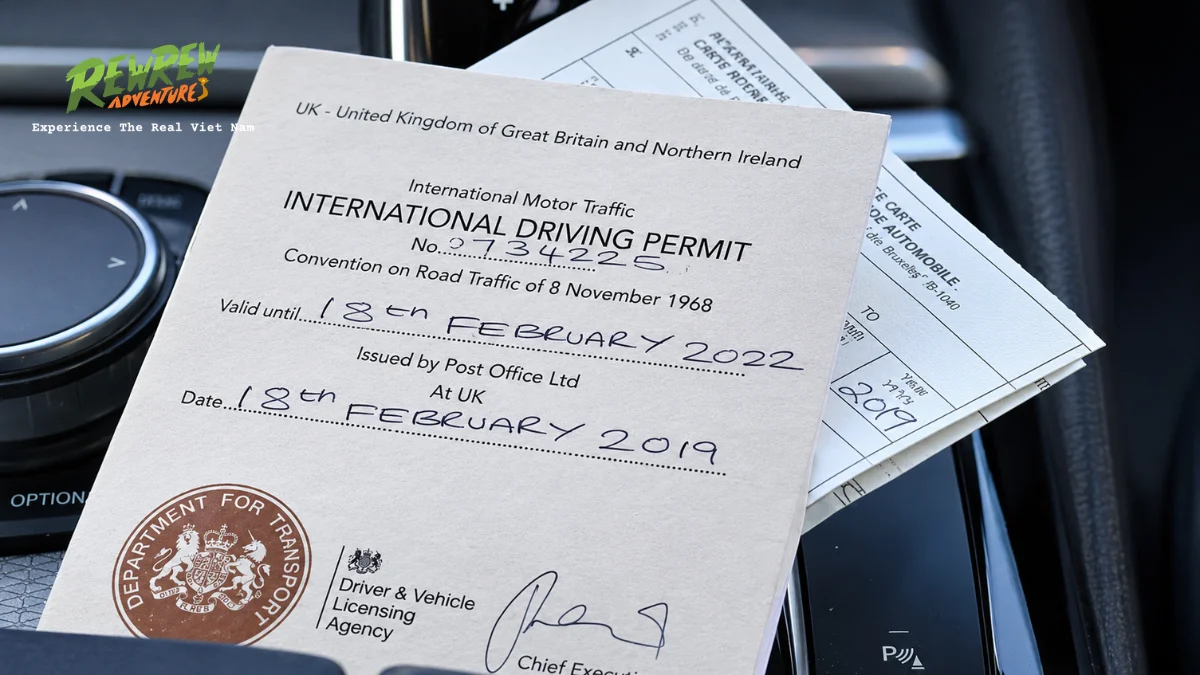
Understanding which category applies to your nationality, planned length of stay, and travel style ensures you avoid costly travel delays and navigate border control with complete confidence.
Comparison of Vietnam Visa Types Fees and Processing Times
The table below outlines the primary visa categories, eligible passport holders, official government fees in USD, and valid durations.
| Visa Category | Eligible Nationalities | Validity & Entries | Official Fee (USD) | Standard Processing Time | Key Entry Criteria |
|---|---|---|---|---|---|
| Unilateral Visa Exemption | UK, Germany, France, Italy, Spain, Japan, South Korea, etc. | 45 Days (Single Entry) | Free ($0 USD) | Immediate at border | Passport valid 6+ months, onward ticket within 45 days |
| ASEAN Bilateral Exemption | Thailand, Singapore, Malaysia, Indonesia, Philippines, etc. | 14 – 30 Days (Single Entry) | Free ($0 USD) | Immediate at border | Valid ASEAN national passport |
| Single-Entry Tourist E-Visa | All countries and territories worldwide | Up to 90 Days (Single Entry) | $25 USD | 3 – 5 Working Days | Digital portrait photo, passport bio-page scan |
| Multiple-Entry Tourist E-Visa | All countries and territories worldwide | Up to 90 Days (Multiple Entries) | $50 USD | 3 – 5 Working Days | Digital portrait photo, passport bio-page scan |
| Emergency / Specialized Visa | Business delegates, diplomatic missions, urgent transit | 30 – 90 Days (Varies) | $25 – $50 USD + agency fee | 1 – 3 Working Days | Pre-arranged official corporate immigration sponsor letter |
*Note: The prices and rates listed above are for reference only and subject to seasonal updates or provider adjustments.*
Detailed Guide to the 45 Day Visa Exemption Scheme
Citizens of selected countries enjoy the privilege of traveling to Vietnam without applying for any visa in advance.
Under current regulations, passport holders from 13 nations, including the United Kingdom, Germany, France, Italy, Spain, Sweden, Norway, Denmark, Finland, Russia, Belarus, Japan, and South Korea, are granted a unilateral visa-free stay of up to 45 consecutive days upon arrival.
In addition, citizens of ASEAN member states (such as Singapore, Thailand, Malaysia, and Indonesia) receive bilateral visa exemptions ranging from 14 to 30 days depending on specific bilateral treaties.
When arriving under visa exemption, immigration officers simply inspect your passport and stamp an entry permit with your permitted departure date.
To qualify, you must hold a passport valid for at least six months from your arrival date and occasionally provide proof of onward travel, such as a confirmed return flight or onward bus ticket.
5 Steps to Applying for Vietnam Online E-Visa
Step 1: Prepare Digital Documents and Passport Scan
Before beginning the online application, ensure you have two mandatory digital files ready. First, a high-resolution color scan of your passport biographical page in JPG or PNG format.
The scan must display all text clearly without glare or cropped corners. Second, a recent digital passport-style portrait photo (4×6 cm) taken against a plain white background, facing forward without eyeglasses or headwear (except for religious attire).
Step 2: Access the Official National Immigration Portal
Always submit your application directly through the official Vietnamese government immigration website (evisa.xuatnhapcanh.gov.vn). Be cautious of third-party commercial agency websites that imitate official portals while charging inflated service fees.
Step 3: Complete Personal Information and Travel Itinerary
Fill out the online application form carefully. Ensure your full legal name, date of birth, nationality, passport number, and passport expiration date match your passport bio-page with absolute precision.
Select your intended entry checkpoint (such as Noi Bai International Airport in Hanoi, Tan Son Nhat in Ho Chi Minh City, or Da Nang International Airport) and your expected exit port.
Step 4: Pay Processing Fee via Secure Payment Gateway
After reviewing your information, proceed to the secure online payment portal. The non-refundable government fee is $25 USD for a single-entry e-visa or $50 USD for a multiple-entry e-visa, payable via international credit or debit cards.
Make sure to note down your unique Registration Code and registration email to track your application.
Step 5: Check Application Status and Print the E-Visa Document
Standard processing takes three to five business days, excluding Vietnamese public holidays and weekends. Once approved, download the electronic visa PDF document.
Print at least two physical paper copies to present to airline check-in staff and immigration border officers upon landing in Vietnam.
Overland Border Crossings and Sea Port Entry Rules
In addition to major aviation hubs, Vietnam shares extensive land borders with Cambodia, Laos, and China, featuring dozens of designated international border crossings where travelers holding pre-approved e-visas can cross seamlessly.
When entering from Cambodia, popular overland checkpoints include Moc Bai (connecting Phnom Penh with Ho Chi Minh City) and Ha Tien (serving coastal travelers entering the Mekong Delta and Phu Quoc).
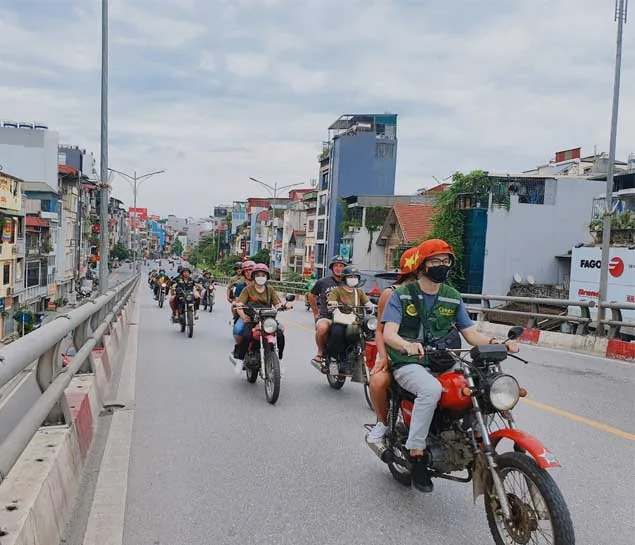
When crossing from Laos, northern entry points like Tay Trang near Dien Bien Phu or central gates like Lao Bao and Cha Lo provide dramatic mountain routes for motorcycle adventurers.
It is critical to remember that your e-visa application requires selecting your specific port of entry.
While airport authorities are occasionally flexible, land border officers strictly enforce the port designated on your printed approval document. Always verify that your travel route matches the exact border gate listed on your e-visa.
Customs Regulations and Essential Arrival Procedures
Clearing customs upon arrival in Vietnam is a straightforward process when you adhere to standard international baggage limits.
Duty-Free Allowances and Currency Regulations
Travelers aged 18 and older are permitted to bring duty-free items for personal consumption, including up to 1.5 liters of hard liquor (above 20% alcohol) or 2.0 liters of wine/beer, 200 cigarettes or 250 grams of loose tobacco, and reasonable personal electronics.
Foreign currencies exceeding the equivalent of $5,000 USD in cash, or Vietnamese Dong cash exceeding 15,000,000 VND, must be declared upon arrival at customs inspection desks.
Standard consumer electronics, cameras, laptops, and personal camping gear enter duty-free without formal declaration.
Telecommunications and Immediate Airport Logistics
Upon clearing passport control and baggage claim, international terminals offer numerous kiosks selling local prepaid SIM cards and mobile eSIM packages from Vietnam’s leading telecommunications providers, including Viettel, Vinaphone, and Mobifone.
For roughly $10 to $15 USD, you can acquire high-speed unlimited 4G/5G data packages valid for 30 days, providing effortless navigation for rideshare apps and travel mapping.
Practical Advice for a Hassle-Free Arrival
First, double-check your middle names. The most common cause of airline boarding denial is a mismatch between the full name printed on the e-visa and the passport machine-readable zone.
Ensure every given name is included exactly as it appears in your official travel document.
Second, avoid relying solely on digital smartphone screens. While immigration computer systems store your digital approval, border officials frequently require a physical printed paper copy of your e-visa to stamp alongside your entry seal.
Keeping printed copies inside your passport jacket prevents frantic searches for airport Wi-Fi.
Third, purchase comprehensive travel insurance. While mandatory pandemic-specific insurance has been eliminated, holding a reliable international travel insurance policy that covers emergency medical evacuation, hospital care, and adventure motorcycling ensures complete peace of mind throughout your journey.

Frequently Asked Questions About Entering Vietnam
How early should travelers apply for a Vietnam e-visa before departure?
Travelers should submit their online e-visa application at least two to three weeks prior to their planned departure date.
While standard processing typically requires three to five business days, national holidays, peak holiday volumes, or minor application corrections can introduce unexpected delays.
Can international tourists extend their 90-day e-visa while inside Vietnam?
Under current immigration policy, tourist e-visas cannot be extended directly at local police departments while remaining inside the country.
Travelers wishing to stay beyond 90 days commonly complete a quick visa run to neighboring countries like Laos, Cambodia, or Thailand, returning with a newly approved 90-day e-visa.
Are there any lingering COVID-19 vaccination or test requirements for entering Vietnam?
No, all COVID-19 related entry restrictions have been completely abolished. Foreign travelers entering Vietnam are not required to present vaccination certificates, negative PCR or rapid antigen test results, or medical declaration forms, and there is zero quarantine upon arrival.
Can travelers enter Vietnam by land or sea border crossings using an e-visa?
Yes, the Vietnamese e-visa is accepted across 33 designated international border gates, including major international airports, popular land crossings with Laos and Cambodia (such as Moc Bai, Lao Bao, and Cha Lo), and deep-water maritime seaports for cruise passengers.
What happens if a tourist accidentally overstays their visa in Vietnam?
Overstaying a visa in Vietnam is a serious infraction subject to administrative fines starting from approximately $25 USD per day for brief delays, escalating to substantial penalties, potential detention, and official deportation with blacklisting for prolonged overstays.
Always monitor your stamped departure date carefully.
Once you have cleared customs and stepped onto Vietnamese soil, an astonishing world of highland mountain passes, historic coastal towns, and vibrant street food corridors awaits your discovery.
If you want to experience the real Vietnam from the open road, booking a guided Vietnam motorcycle tour with Rew Rew Adventures delivers an authentic, safe, and exhilarating journey through the country’s most spectacular landscapes.